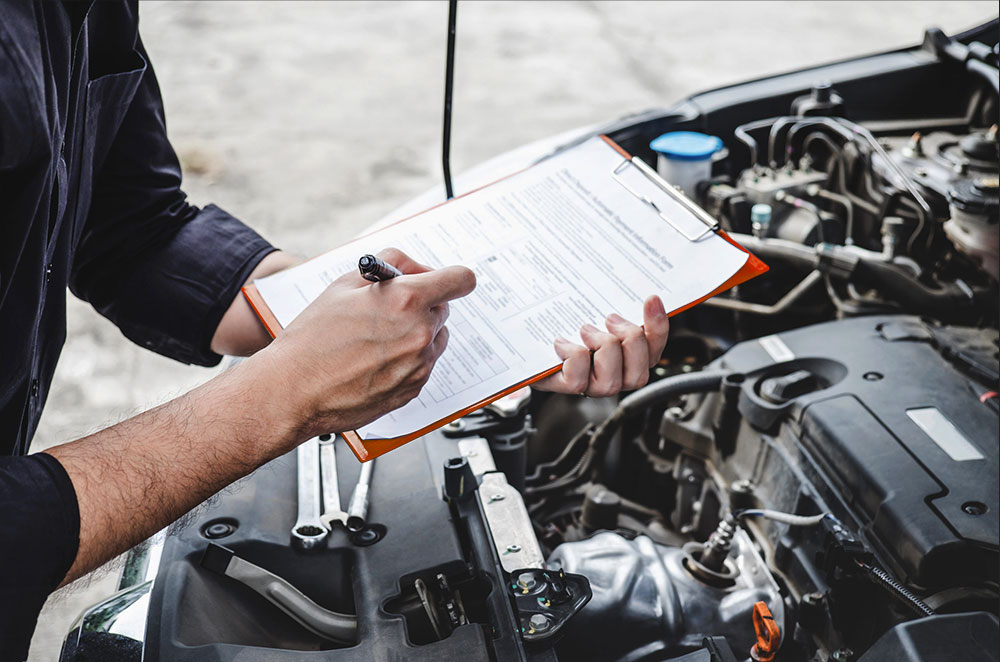
Prevent Breakdowns Tips form the cornerstone of vehicle reliability, ensuring every journey feels smooth, predictable, and pleasantly stress free. When a car receives attentive care, it rewards the owner with dependable performance and fewer inconvenient surprises. Smart maintenance is not an intimidating concept. It is a collection of practical habits that strengthen the vehicle’s longevity. With the right approach, drivers can safeguard their investment and enjoy a more harmonious relationship with their automobile.

Prioritize Regular Fluid Checks
Vehicles rely on an intricate network of fluids that preserve mechanical equilibrium. Engine oil lubricates moving parts, coolant regulates temperature, brake fluid ensures responsive stopping power, and transmission fluid supports seamless shifting. Monitoring these levels prevents dangerous fluctuations and reduces internal strain. Checking fluids takes only a few moments, yet the benefits stretch across thousands of miles. Early detection of low or contaminated fluid can halt problems long before they escalate.
Inspect Belts and Hoses
Belts and hoses may appear insignificant, but they perform essential functions. A worn belt can slip, squeal, or even snap, instantly disabling key systems like alternators or water pumps. Hoses that crack or bulge risk leaking coolant or vacuum pressure, both of which can lead to sudden breakdowns. A quick inspection under the hood allows drivers to identify brittleness, discoloration, or fraying. Replacing compromised components ensures reliable engine performance and prevents major mechanical failures.
Maintain Optimal Tire Health
Tires influence everything from handling to braking efficiency. Proper pressure helps sustain fuel economy and ensures stable traction. Uneven wear might signal misalignment or suspension issues that need attention. Regular rotation distributes wear evenly, while visual checks help detect embedded debris or sidewall fatigue. Consistent tire care enhances stability and reduces the likelihood of road side emergencies. Smooth, balanced tires also elevate driving comfort during long trips.
Listen for Unusual Sounds
Vehicles often communicate through sound before problems manifest visually. A rattling noise can suggest a loose heat shield. Clicking may indicate a failing constant velocity joint. A high pitched squeal might signal worn brake pads. Paying attention to unfamiliar tones helps identify concerns early. Prompt attention to these audible clues keeps small issues from evolving into immobilizing breakdowns. Trusting one’s auditory instincts becomes a valuable maintenance skill.
Keep the Battery in Good Condition
The battery rarely demands attention until the engine refuses to start. Regular inspection helps avoid such surprises. Corrosion around terminals diminishes electrical conductivity. Weak voltage affects not only ignition but also accessories that rely on steady power. Testing the battery periodically provides insight into remaining lifespan. Replacing an aging unit preemptively prevents unwanted roadside delays. Clean terminals and secure connections boost reliability during extreme temperatures.
Monitor the Cooling System
Overheating remains one of the most common causes of breakdowns. The cooling system regulates temperature through a collaboration of coolant, radiator, pumps, and hoses. A minor leak or clogged pathway can rapidly escalate into severe engine damage. Checking coolant levels, inspecting radiator fins, and ensuring the thermostat operates correctly strengthens this crucial system. Smart maintenance includes flushing the coolant at recommended intervals to preserve optimal temperature regulation.
Pay Attention to Warning Lights
Modern vehicles employ sophisticated sensors to detect abnormal conditions. A check engine light, oil pressure warning, or temperature alert should never be ignored. These signals serve as early indicators that something requires attention. Addressing the issue promptly prevents deeper complications. A simple diagnostic scan often reveals the underlying cause, allowing drivers to resolve concerns efficiently.
Replace Air Filters Regularly
Air filters protect the engine from dust, debris, and contaminants. When clogged, they restrict airflow and reduce performance. A clean air filter ensures efficient combustion, improves acceleration, and supports fuel economy. Replacing it at appropriate intervals keeps the engine breathing freely. This simple act of care contributes to the overall health of the vehicle and reduces avoidable strain.
Examine the Braking System
Brakes are among the most vital safety features of any car. Worn pads, warped rotors, or deteriorated lines diminish stopping ability and invite hazardous situations. Listening for grinding, squeaking, or pulsation helps identify emerging issues. Regular brake inspections ensure dependable performance and peace of mind. Addressing brake concerns early prevents expensive repairs later.
Maintain a Clean Engine Bay
A tidy engine bay supports better maintenance. Dirt and debris conceal leaks, hide corrosion, and interfere with electrical components. A gentle cleaning reveals potential issues that might otherwise go unnoticed. Keeping the area free of grime promotes easier inspection and reduces the risk of foreign material causing damage. Neatness within the engine compartment contributes to a more efficient maintenance routine.
Follow Manufacturer Service Intervals
Every vehicle arrives with a carefully designed maintenance schedule. These intervals reflect extensive engineering knowledge and testing. Adhering to them ensures the vehicle receives timely care. Scheduled service includes vital tasks like replacing filters, checking suspension components, and inspecting electronics. Consistent service extends longevity and enhances overall performance. Staying aligned with these guidelines results in fewer surprises and a more dependable vehicle.
Build Strong Habits for Long Term Reliability
Smart maintenance thrives on consistency. Small actions, repeated regularly, create a resilient foundation for the vehicle. Observing changes in performance, monitoring fluid levels, and keeping systems clean all contribute to greater reliability. Drivers who practice proactive care enjoy safer, smoother, and more confident travel. Through practical habits and thoughtful attention, breakdowns become far less likely, and every journey feels more enjoyable.