Introduction & Background
For car enthusiasts, the open road is not just a path but a canvas waiting to be personalized. Custom cars represent the ultimate expression of individuality, turning factory-made vehicles into one-of-a-kind masterpieces. Unlike mass-produced cars that prioritize uniformity and cost efficiency, custom cars are built to reflect the owner’s personality, style, and mechanical ambitions. This tradition dates back to the early 20th century when hot rodders and early customizers began modifying cars to enhance performance and aesthetics. Today, the custom car movement thrives as a vibrant subculture, blending art, engineering, and automotive passion into rolling works of art. From sleek hot rods to extravagant show cars, these vehicles captivate audiences and push the boundaries of what an automobile can be.
Concept & Overview
A custom car is a vehicle that has been altered or built from the ground up beyond its original manufacturer specifications. The goal is not just to improve performance or appearance but to create something entirely unique. Unlike restomods, which aim to restore classic cars to their original glory while adding modern touches, or tuner cars, which focus primarily on performance upgrades, custom cars often combine both elements with a strong emphasis on personal expression. Key principles in custom car creation include creativity, craftsmanship, and innovation. Builders often start with a base model and transform it through a mix of fabrication, painting, upholstery, and mechanical enhancements. The process can take months or even years, involving collaboration between skilled artisans, engineers, and the car owner themselves. The result is a vehicle that tells a story, one that stands apart from the assembly line and embodies the builder’s vision.
Key Features & Highlights
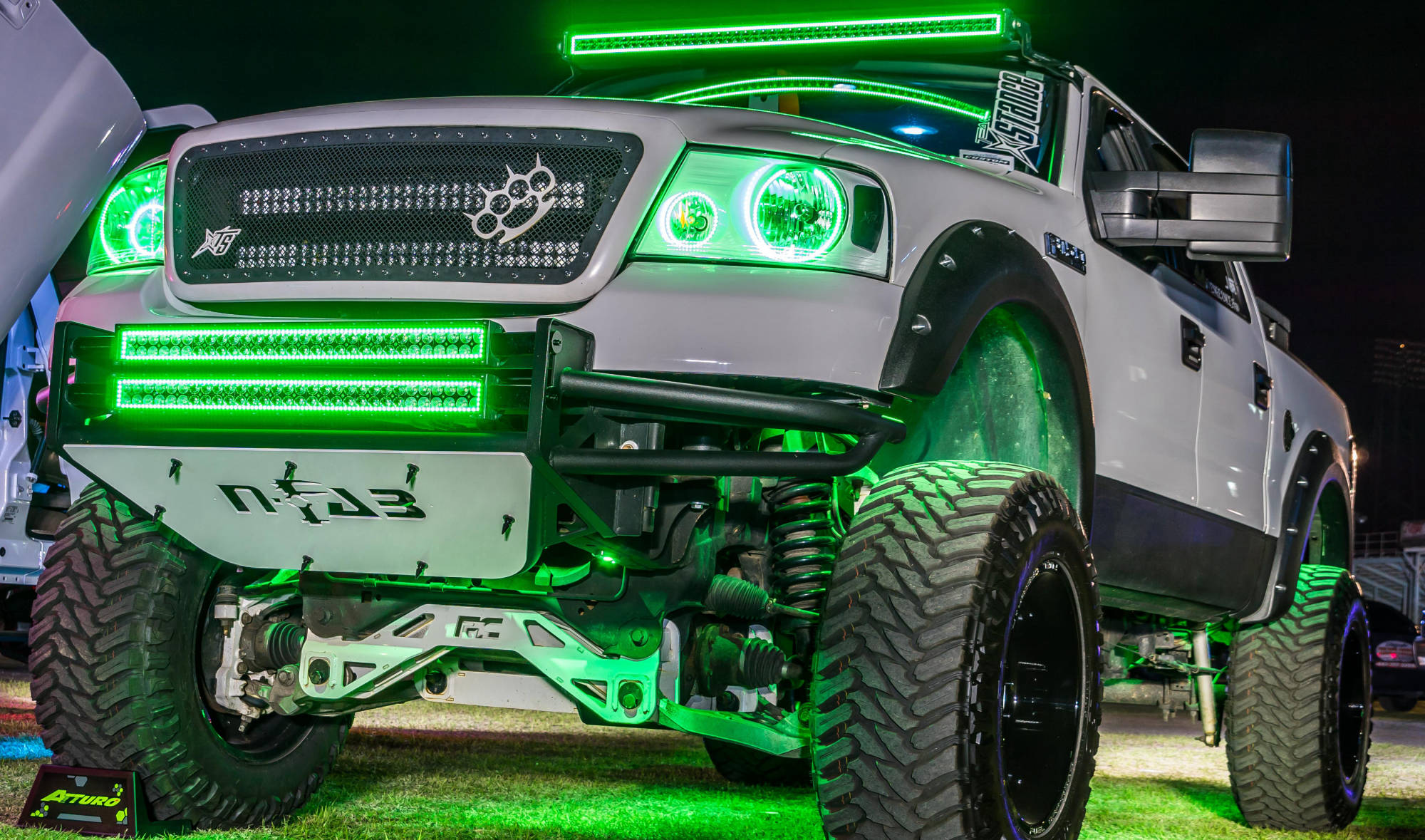
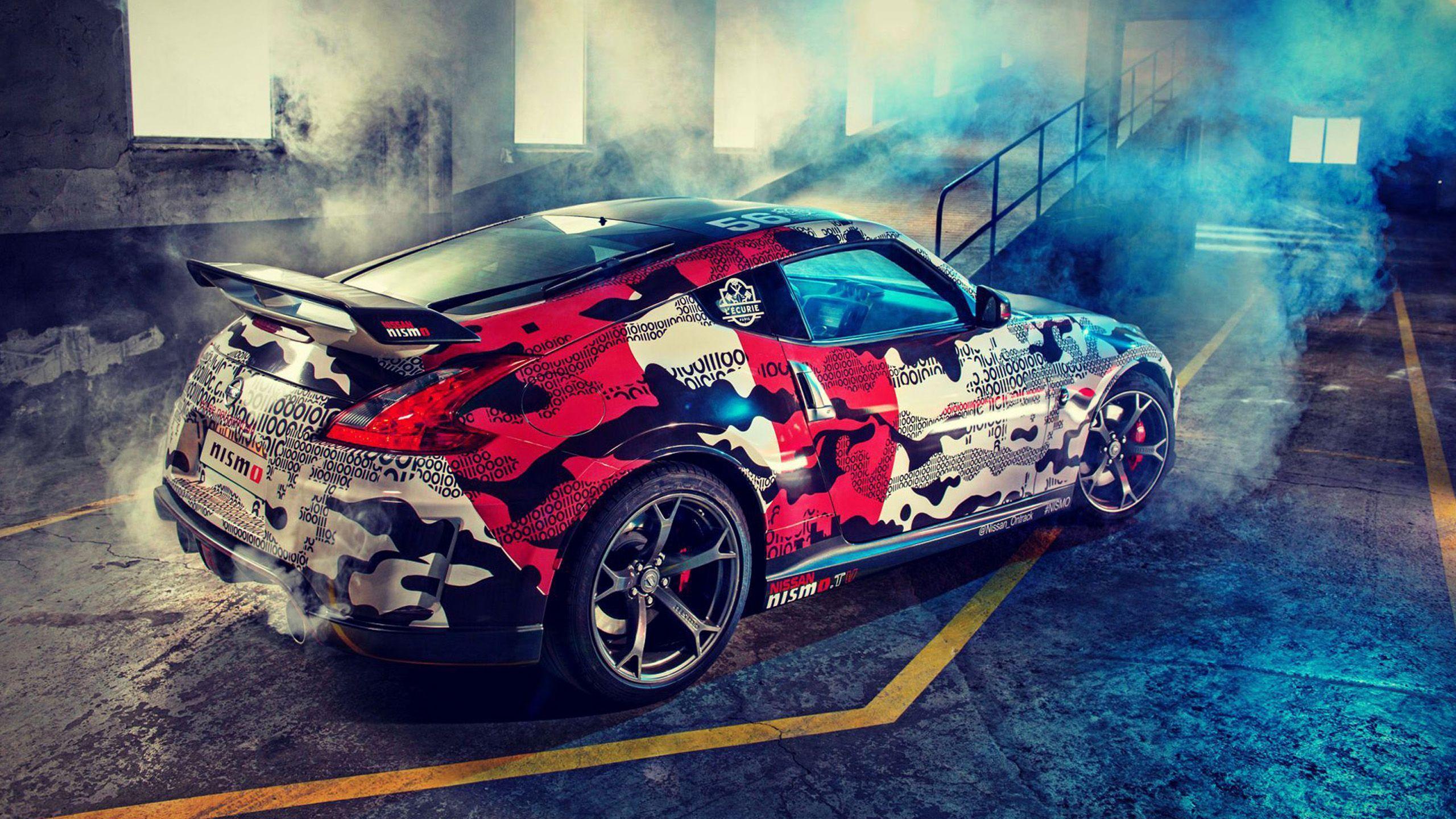
- Unique Design: Custom cars are defined by their distinctive appearance, which can include custom bodywork, hand-fabricated panels, and bespoke paint jobs. Every curve and contour is designed to make the car stand out.
- High-Performance Engines: Many custom cars feature upgraded or entirely custom-built engines, often paired with advanced forced induction systems or high-performance drivetrains to deliver exhilarating power.
- Handcrafted Interiors: The interior of a custom car is just as important as the exterior. Upholstery, dashboard designs, and even sound systems are often tailored to match the owner’s tastes, sometimes incorporating rare materials like leather, carbon fiber, or exotic woods.
- Advanced Technology Integration: Modern custom cars frequently incorporate cutting-edge technology, such as touchscreen infotainment systems, advanced driver-assistance systems, or even autonomous driving features in concept builds.
- Attention to Detail: From the stitching on the seats to the finish on the wheels, every detail in a custom car is meticulously crafted. Builders often use premium materials and techniques like hand-polishing metal or custom powder coating to achieve flawless results.
- Show-Stopping Presence: Many custom cars are designed to turn heads at car shows and events. Features like LED lighting, custom wheels, and unique paint schemes contribute to their eye-catching appeal.
Frequently Asked Questions / Pros & Cons
What makes a car eligible for customization?
Almost any car can be customized, but the best candidates are those with a solid foundation, such as classic models with robust chassis or modern cars with aftermarket support. The key factors are the builder’s vision and the availability of parts and expertise to achieve it.
How much does it cost to build a custom car?
The cost varies widely depending on the scope of the project. A basic custom build might start at around $20,000, while a high-end, concours-level build can exceed $500,000. Factors like engine upgrades, custom fabrication, and luxury materials drive up the price significantly.
Is it legal to drive a custom car on public roads?
Yes, as long as the car meets local safety and emissions regulations. Many custom builders work closely with engineers and inspectors to ensure their vehicles comply with road legality standards. However, some heavily modified cars may only be suitable for off-road use or car shows.
What are the pros of owning a custom car?
- Exclusivity: You own a vehicle that no one else has, tailored precisely to your preferences.
- Personal Satisfaction: The process of creating a custom car can be deeply rewarding, offering a sense of accomplishment.
- Enhanced Performance: Custom cars often outperform their factory counterparts in speed, handling, and overall capability.
- Cultural Value: Custom cars are often celebrated in automotive culture, making them valuable for enthusiasts and collectors.
What are the cons of owning a custom car?
- High Cost: Custom builds require significant investment, not just in materials but also in time and labor.
- Maintenance Challenges: Unique parts and custom fabrication can make repairs more difficult and expensive than with standard cars.
- Insurance Issues: Standard insurance policies may not cover custom modifications, requiring specialized coverage that can be costly.
- Potential Depreciation: While some custom cars appreciate in value, others may not hold their worth due to rarity or niche appeal.
Practical Guidance & Solutions
If you’re considering a custom car project, the first step is to define your vision. Start by gathering inspiration from car shows, magazines, and online communities. Decide whether you want to build from scratch or modify an existing vehicle. It’s crucial to set a realistic budget and timeline, as custom builds often take longer and cost more than initially planned.
Next, assemble a team of skilled professionals. A great custom build relies on collaboration between mechanics, fabricators, painters, and upholsterers. Research and vet potential builders carefully, checking their portfolios and client testimonials. If you’re handling parts of the build yourself, invest in quality tools and materials to ensure durability.
For legal and safety compliance, consult with an automotive engineer or inspector early in the process. They can help ensure your custom car meets road legality standards, avoiding costly modifications later. Documentation is also key, especially for insurance purposes, so keep detailed records of every part and modification.
Finally, join custom car communities online or in your area. These networks provide invaluable advice, resources, and camaraderie. Attending car meets and shows can also help you refine your design and connect with potential collaborators.
Conclusion
Custom cars are more than just vehicles; they are a testament to human creativity and passion. In a world of mass production, these rolling masterpieces offer a rare opportunity to escape the ordinary and embrace the extraordinary. Whether you’re drawn to the raw power of a hot rod, the elegance of a luxury custom, or the futuristic appeal of a concept car, building or owning a custom vehicle is a journey of self-expression. It challenges the boundaries of automotive design and engineering while celebrating the art of the automobile. As the custom car culture continues to evolve, one thing remains certain: the road ahead is paved with endless possibilities for those who dare to dream beyond the assembly line.