Introduction & Background
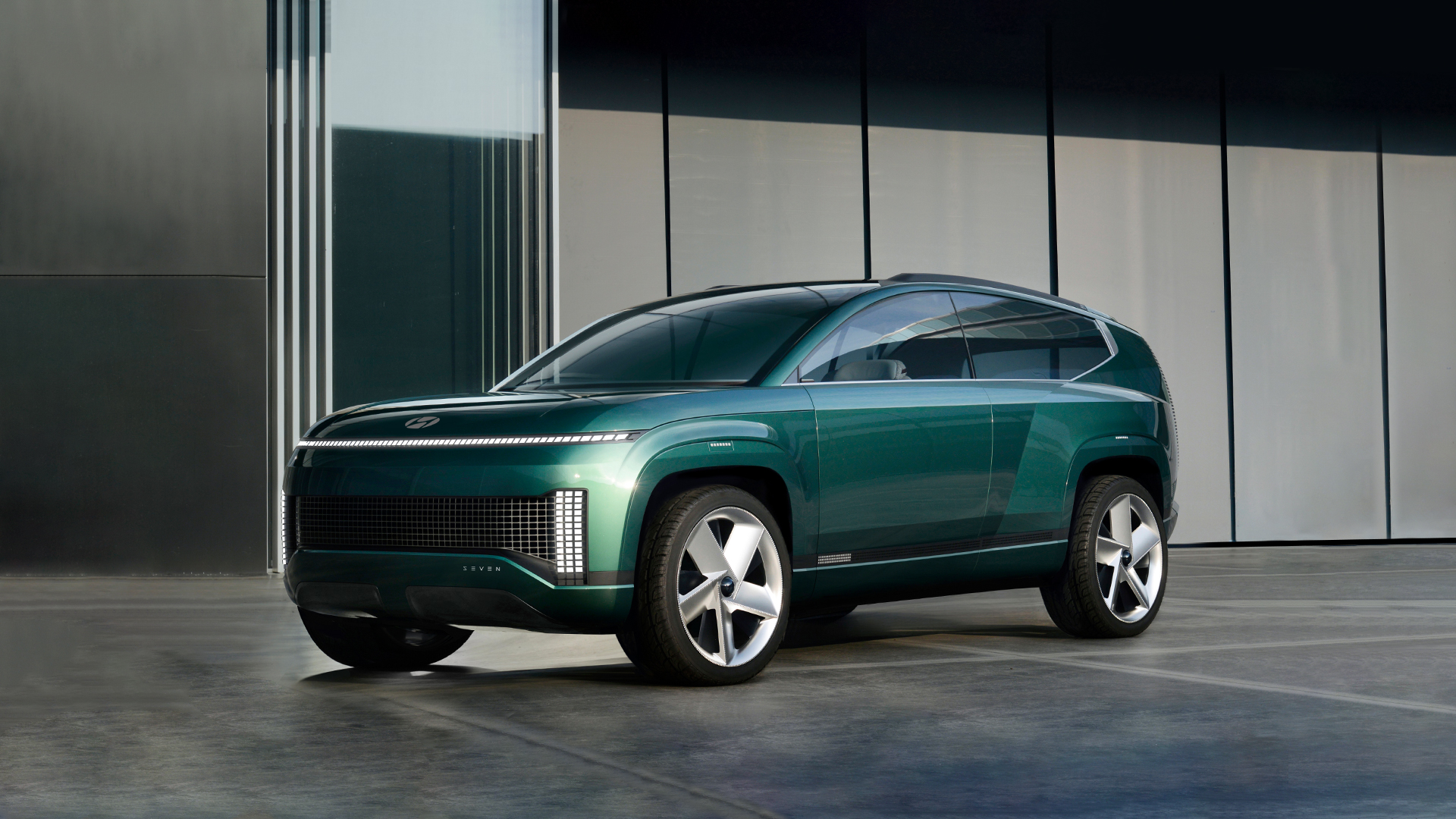
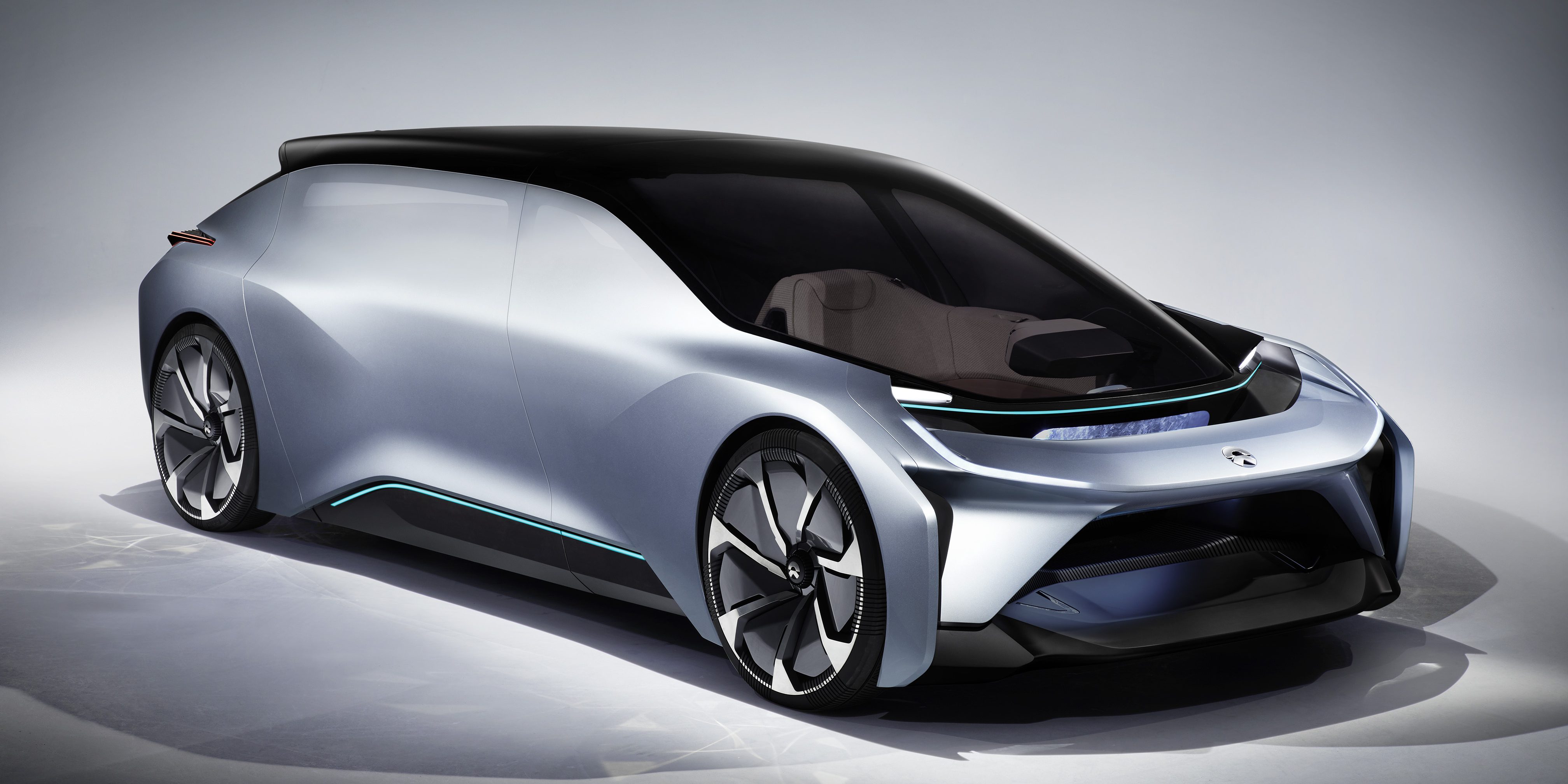
The world is witnessing a transformative shift in the automotive industry, driven by the rise of electric cars. As concerns over climate change and air pollution grow, traditional gasoline-powered vehicles are increasingly seen as relics of a bygone era. Governments, manufacturers, and consumers alike are embracing electric vehicles (EVs) as a cleaner, more efficient alternative. This silent revolution on wheels is not just about reducing emissions; it represents a fundamental change in how we think about transportation, energy, and sustainability. With advancements in technology and growing infrastructure, electric cars are no longer a niche choice but a viable option for millions of drivers worldwide.
Concept & Overview
Electric cars are vehicles powered entirely or partially by electricity, replacing internal combustion engines with electric motors and rechargeable batteries. Unlike conventional cars that rely on fossil fuels, EVs draw energy from batteries that can be charged from the grid or renewable sources. The core principle behind electric vehicles is efficiency. Electric motors convert over 80% of the energy from the battery to power at the wheels, compared to about 20% for gasoline engines. This efficiency, combined with zero tailpipe emissions, makes EVs a cornerstone of sustainable mobility. The concept has evolved significantly since the first electric cars emerged in the 19th century, but it is only in recent decades that technology, policy, and consumer demand have converged to propel EVs into the mainstream.
Key Features & Highlights
- Zero Emissions: Electric cars produce no exhaust emissions, reducing air pollution and greenhouse gases. This is particularly beneficial in urban areas where traffic congestion exacerbates health issues.
- Lower Operating Costs: Electricity is generally cheaper than gasoline, and EVs have fewer moving parts, leading to reduced maintenance costs over time. Owners save on fuel, oil changes, and engine repairs.
- Energy Efficiency: EVs convert energy more efficiently than internal combustion engines. Regenerative braking systems capture energy that would otherwise be lost during deceleration, further enhancing efficiency.
- Quiet Operation: Electric motors operate almost silently, providing a smoother and more peaceful driving experience compared to the noise of gasoline engines.
- Advanced Technology: Modern electric cars come equipped with cutting-edge features such as autonomous driving aids, over-the-air software updates, and smartphone integration for remote monitoring and control.
- Government Incentives: Many countries offer financial incentives, tax credits, or rebates to encourage the adoption of electric vehicles. These can significantly reduce the upfront cost of purchasing an EV.
- Charging Infrastructure: The expansion of charging networks, including fast-charging stations at highways, shopping centers, and workplaces, makes owning an electric car more convenient than ever before.
Frequently Asked Questions / Pros & Cons
What are the main advantages of electric cars?
Electric cars offer several benefits, including environmental sustainability, lower fuel and maintenance costs, and a quieter, smoother driving experience. They also benefit from government incentives and access to carpool lanes in some regions.
What are the drawbacks of electric cars?
The primary challenges include limited driving range compared to gasoline cars, longer refueling times, and the need for a robust charging infrastructure. The upfront cost of electric vehicles can also be higher, though this is often offset by long-term savings.
How far can an electric car travel on a single charge?
The range of electric cars varies widely depending on the model and battery capacity. Most modern EVs can travel between 200 and 400 miles on a full charge, with some high-end models exceeding 500 miles. Real-world range may be lower due to factors like driving conditions, weather, and use of accessories.
Are electric cars really better for the environment?
Yes, electric cars produce zero tailpipe emissions, which directly improves air quality. While the environmental impact of manufacturing batteries and sourcing electricity must be considered, studies show that over their lifetime, EVs generally have a smaller carbon footprint than gasoline cars, especially when charged with renewable energy.
How long does it take to charge an electric car?
Charging times depend on the type of charger and the vehicle’s battery capacity. Level 1 charging (using a standard household outlet) can take up to 24 hours for a full charge. Level 2 charging stations, which are more common, typically take 4 to 8 hours. Fast-charging stations can charge a battery to 80% in as little as 20 to 30 minutes.
Is there enough charging infrastructure for electric cars?
The charging infrastructure has grown rapidly in recent years, but availability varies by region. Urban areas and major highways generally have more charging stations, while rural areas may have fewer options. Governments and private companies continue to invest in expanding the network to support wider EV adoption.
Practical Guidance & Solutions
For those considering switching to an electric car, it is important to evaluate your driving habits and needs. If you frequently take long road trips, research models with the longest range and access to fast-charging networks. For city dwellers, a smaller battery with a shorter range may be sufficient, especially if charging at home or work is convenient.
Before purchasing, compare the total cost of ownership, including fuel savings, maintenance, and potential incentives. Many online calculators can help estimate these costs based on your location and driving patterns. It is also wise to test drive different models to assess comfort, handling, and technology features.
For charging at home, consider installing a Level 2 charger, which is faster and more efficient than a standard outlet. If home charging is not feasible, explore public charging stations near your home, workplace, or along your regular routes. Many apps and websites provide real-time information on charger availability and pricing.
Finally, stay informed about advancements in battery technology and charging infrastructure. As these technologies improve, the convenience and appeal of electric cars will continue to grow, making them an increasingly attractive option for drivers around the world.
Conclusion
The electric car revolution is more than just a trend; it is a fundamental transformation of the automotive landscape. With their unmatched efficiency, environmental benefits, and rapidly improving technology, electric vehicles are paving the way for a cleaner, quieter, and more sustainable future on the roads. While challenges remain, the progress made in recent years is undeniable, and the momentum behind EVs shows no signs of slowing. As charging infrastructure expands, battery technology advances, and consumer awareness grows, electric cars will become the new standard, steering us toward a greener tomorrow. The wheels of change have begun to turn, and they are silent no longer.