Introduction & Background
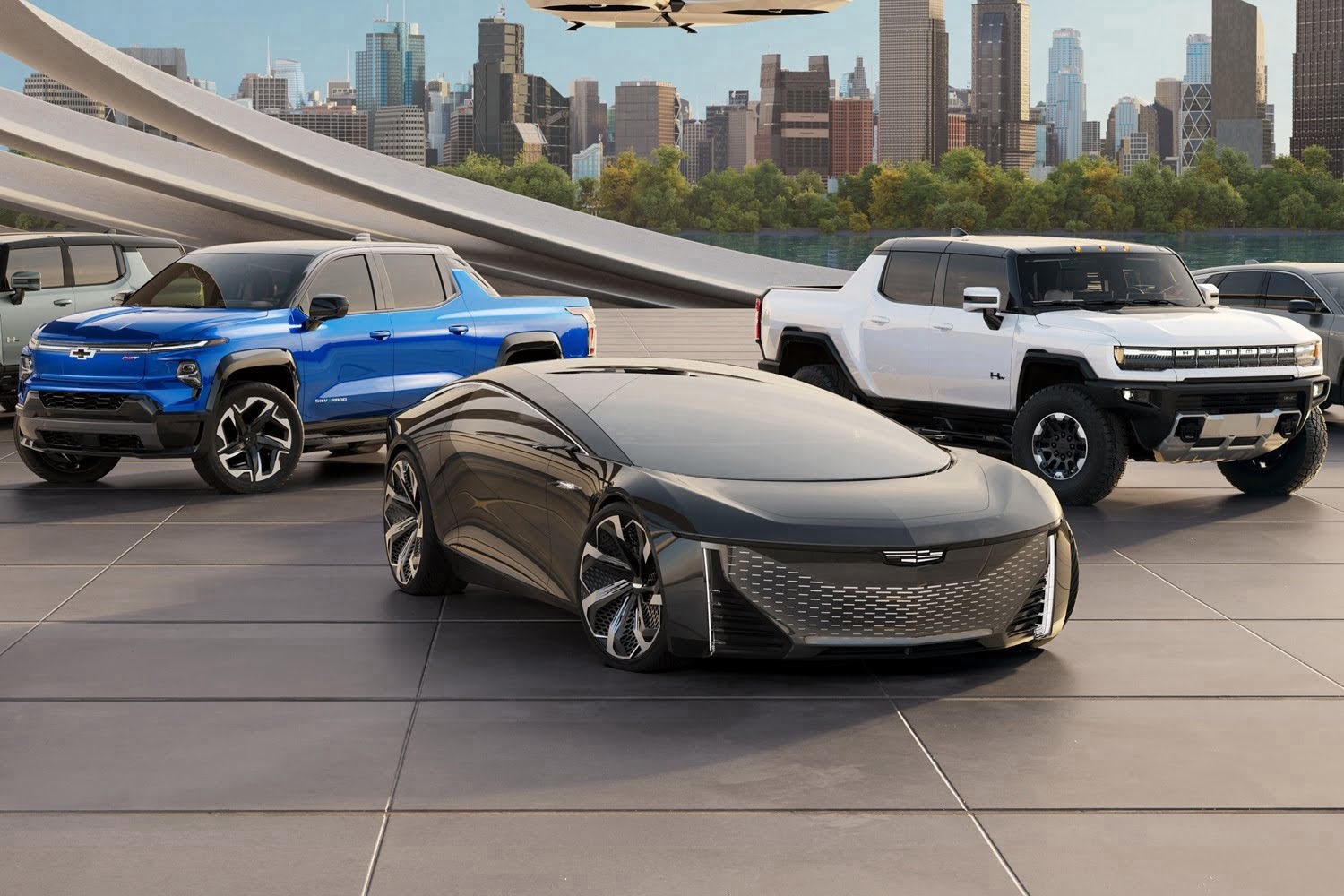
Transportation has always been the lifeblood of urban life, shaping the way we live, work, and interact with our surroundings. For over a century, gasoline and diesel vehicles have dominated our roads, filling the air with exhaust fumes and locking cities into cycles of pollution and noise. Yet, beneath the surface of this familiar landscape, a quieter, more profound transformation has been unfolding. The rise of electric cars is not merely a shift in engine technology. It is a silent revolution, one that is redefining the relationship between people and their environment, between industry and innovation, and between governments and citizens. As cities grow more crowded and climate concerns intensify, electric vehicles (EVs) have emerged as a powerful force for change, offering cleaner air, quieter streets, and a sustainable path forward. This transformation is reshaping not just our cities but our daily lives in ways that are both subtle and far-reaching.
Concept & Overview
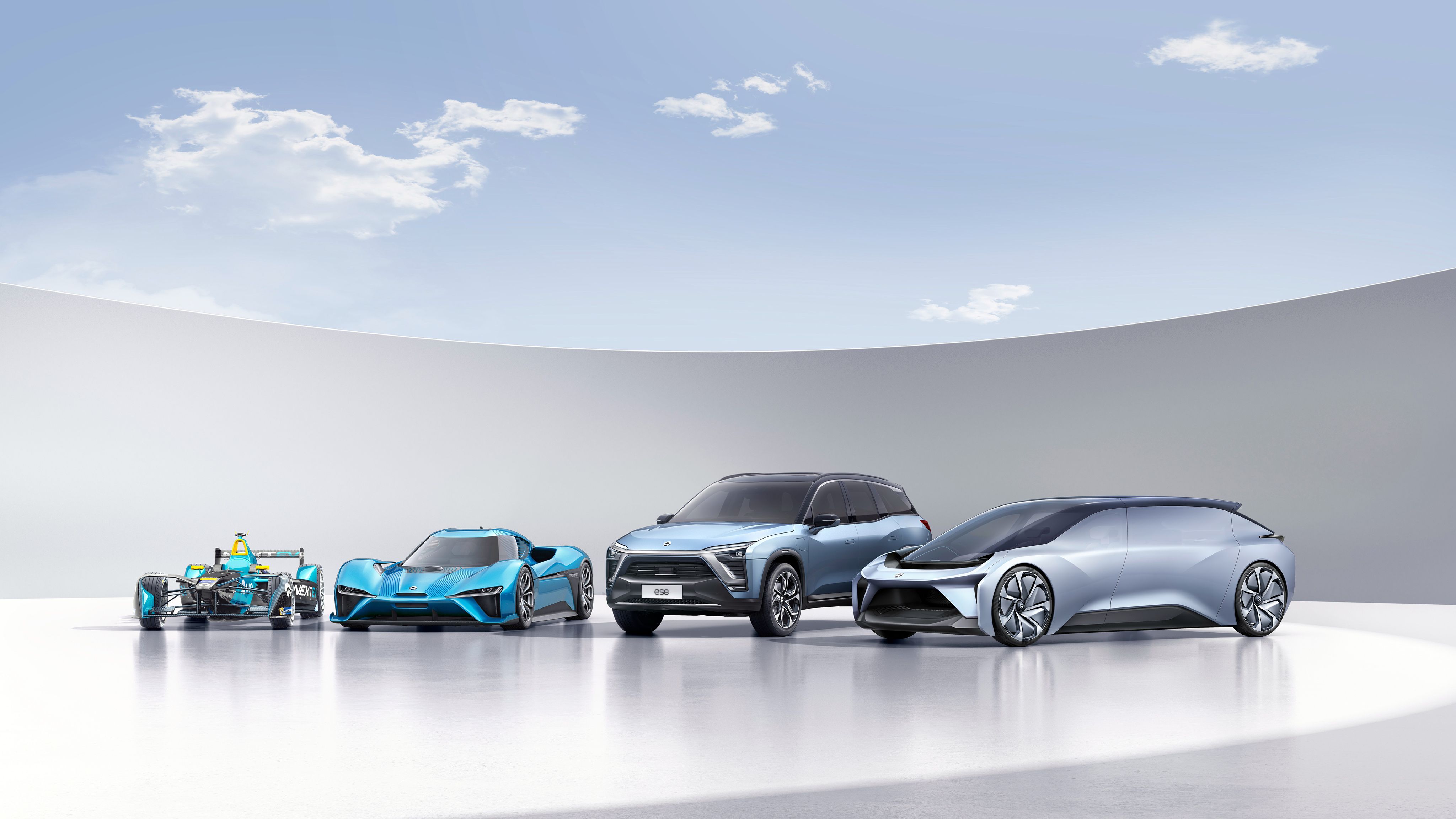
The electric car represents a fundamental departure from the internal combustion engine that has powered personal transport since the late 19th century. At its core, an electric vehicle is propelled by one or more electric motors, drawing energy from rechargeable batteries instead of burning fossil fuels. Unlike traditional cars, which rely on complex transmissions and exhaust systems, EVs convert over 77% of their electrical energy into power at the wheels, compared to just 12-30% in gasoline-powered vehicles. This efficiency is a direct result of the electric motor’s ability to deliver immediate torque, eliminating the need for idling and reducing energy waste during acceleration. Moreover, the integration of regenerative braking systems allows EVs to capture and store energy that would otherwise be lost as heat, further enhancing their efficiency. Beyond the powertrain, electric cars are redefining vehicle design, with battery placement at the vehicle’s base improving stability and lowering the center of gravity. This technological shift is not isolated. It is part of a broader ecosystem that includes renewable energy sources, smart grids, and connected infrastructure, all working together to create a sustainable mobility future.
Key Features & Highlights
- Zero Tailpipe Emissions: Electric cars produce no exhaust emissions during operation, significantly reducing urban air pollution and greenhouse gas contributions. This is especially critical in densely populated cities where traffic congestion exacerbates respiratory health issues.
- Lower Operating Costs: EVs typically cost less to run than conventional vehicles due to the lower price of electricity compared to gasoline or diesel. Maintenance costs are also reduced because EVs have fewer moving parts, eliminating the need for oil changes, spark plugs, or complex transmission repairs.
- Quiet and Smooth Ride: The absence of an internal combustion engine results in near-silent operation, especially at low speeds. This reduces noise pollution in urban areas and creates a more peaceful driving experience for both drivers and pedestrians.
- Energy Efficiency: Electric motors are inherently more efficient than internal combustion engines, converting a higher percentage of energy from the battery into forward motion. Regenerative braking systems capture energy during deceleration, further improving overall efficiency.
- Smart Connectivity: Modern electric cars are equipped with advanced infotainment systems, over-the-air software updates, and integration with smartphone apps. Features like remote diagnostics, charging status monitoring, and route planning based on charging station availability enhance user convenience and vehicle management.
- Battery Technology Advancements: Recent progress in lithium-ion, solid-state, and battery management systems has increased energy density, reduced charging times, and improved safety. Longer driving ranges and faster charging infrastructure are making EVs more practical for daily use and long-distance travel.
- Environmental Benefits Beyond Driving: When charged using renewable energy sources like solar or wind power, electric cars can operate with minimal carbon footprint. This synergy with clean energy accelerates the transition toward a fully sustainable energy ecosystem.
Frequently Asked Questions / Pros & Cons
What are the main advantages of electric cars over gasoline cars?
Electric cars offer several key advantages. They are more energy-efficient, produce zero tailpipe emissions, and typically have lower fuel and maintenance costs. They also provide a quieter and smoother ride, reducing noise pollution in urban environments. Additionally, EVs benefit from advanced technology integration, such as software updates and connectivity features.
What are the biggest challenges faced by electric cars today?
The primary challenges include limited driving range on a single charge, longer refueling times compared to gasoline vehicles, and the need for widespread charging infrastructure. Battery degradation over time and higher upfront purchase prices can also deter potential buyers. Moreover, the environmental impact of battery production and disposal remains a concern, though it is generally offset by the long-term benefits of EV use.
Are electric cars really better for the environment?
Yes, over their entire lifecycle, electric cars are generally better for the environment than gasoline cars. While manufacturing batteries does produce carbon emissions, studies show that even when charged with electricity from fossil fuel power plants, EVs produce fewer greenhouse gas emissions than traditional vehicles. When charged using renewable energy, their environmental benefits increase significantly. Other environmental advantages include reduced air and noise pollution in cities.
How long do electric car batteries last?
Most modern electric car batteries are designed to last between 10 to 15 years or 100,000 to 200,000 miles, depending on usage and charging habits. Battery technology continues to improve, with many manufacturers offering warranties of 8 years or 100,000 miles. Proper maintenance, such as avoiding extreme temperatures and using slow charging when possible, can extend battery life.
Is it expensive to charge an electric car?
The cost of charging an electric car depends on electricity rates in your area and the vehicle’s battery capacity. On average, charging at home overnight costs significantly less than refueling a gasoline car. Public charging stations may have higher rates, but many cities offer incentives or discounted rates during off-peak hours. Over time, the lower per-mile cost of electricity makes EVs more economical to run.
Practical Guidance & Solutions
For those considering the switch to an electric vehicle, the journey begins with understanding your driving needs and local infrastructure. Start by assessing your daily commute and typical driving distances. Most modern EVs can comfortably cover 200 to 300 miles on a single charge, making them suitable for urban and suburban lifestyles. If you frequently travel long distances, consider models with longer ranges or plan charging stops along your route using apps like PlugShare or ChargeHub.
Next, evaluate your home charging options. Installing a Level 2 charger at home can significantly reduce charging time compared to using a standard wall outlet. Check with your utility provider for time-of-use rates, which can lower charging costs during off-peak hours. If home charging isn’t feasible, research public charging stations in your area or along your regular routes. Many workplaces, shopping centers, and parking facilities now offer charging stations for customers and employees.
When selecting an electric vehicle, compare models based on factors like range, battery warranty, charging speed, and available incentives. Federal, state, and local governments often provide tax credits, rebates, or exemptions for EV purchases, making them more affordable. Test-drive a few models to assess comfort, technology features, and driving dynamics, as EVs vary widely in design and performance.
Finally, educate yourself on battery care and maintenance. Avoid letting your battery drain completely, and try to keep it charged between 20% and 80% for optimal longevity. Park in shaded areas or garages to minimize exposure to extreme heat, which can accelerate battery degradation. By taking these practical steps, you can seamlessly integrate an electric vehicle into your life and contribute to the broader transition toward sustainable mobility.
Conclusion
The silent revolution of electric cars is more than a technological upgrade. It is a cultural and environmental awakening, one that invites us to rethink our relationship with energy, mobility, and the planet. As these vehicles quietly hum through our streets, they carry with them the promise of cleaner air, quieter neighborhoods, and a future where transportation aligns with sustainability rather than undermines it. The road ahead is not without challenges, but with each passing year, the benefits become clearer and the solutions more accessible. Whether you are a driver, a city planner, or simply a concerned citizen, the rise of electric cars offers an opportunity to participate in a movement that is reshaping our cities and our lives for the better. The future of transportation is not a distant dream. It is already here, charging silently in driveways and parking lots across the globe. The question is no longer whether we will embrace this change, but how quickly we can make it the new standard.