Introduction & Background
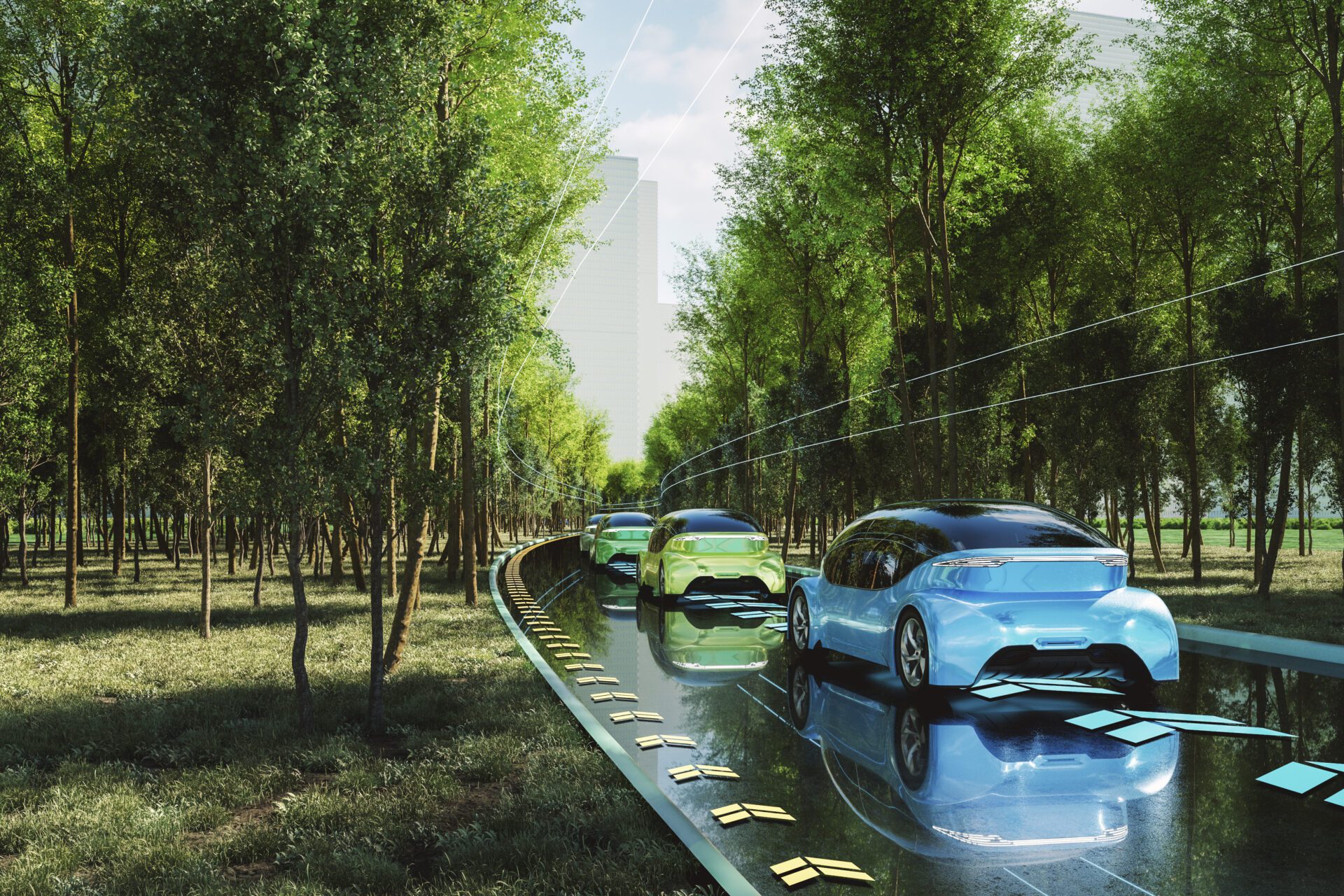
The world stands at a crossroads where the choices we make today will shape the environment our children inherit tomorrow. Climate change looms large, with transportation being one of the largest contributors to global carbon emissions. In this urgent context, electric cars emerge not just as a technological innovation but as a beacon of hope for a sustainable future. Governments, industries, and individuals are increasingly turning their attention to electric vehicles (EVs) as a critical solution to reduce greenhouse gas emissions, improve air quality, and lessen our dependence on fossil fuels. This shift represents more than just a change in how we drive; it signals a fundamental transformation in our relationship with energy and the planet. As battery technology advances and charging infrastructure expands, electric cars are accelerating us toward a greener tomorrow, proving that sustainability and mobility can coexist harmoniously.
Concept & Overview
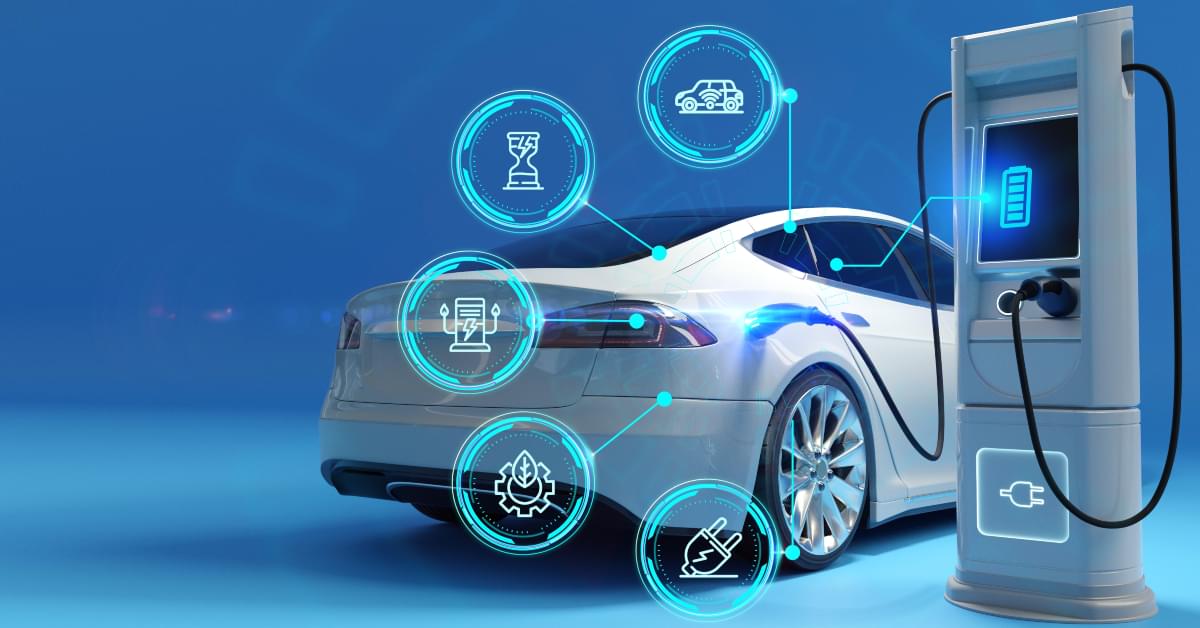
An electric car, also known as an electric vehicle or EV, is a car that runs on electricity stored in rechargeable batteries instead of burning gasoline or diesel. Unlike traditional internal combustion engine vehicles, EVs use electric motors to convert electrical energy into mechanical power, resulting in zero tailpipe emissions. This clean operation is made possible by lithium-ion batteries, which have become the standard energy storage solution due to their high energy density and reliability. The concept of electric vehicles is not new; it dates back to the early 19th century, but recent advancements in battery technology, government incentives, and growing environmental awareness have propelled EVs into the mainstream. Today, electric cars are at the heart of global efforts to decarbonize transportation and create a more sustainable energy ecosystem.
Key Features & Highlights
- Zero Tailpipe Emissions: Electric cars produce no exhaust gases, significantly reducing air pollution and improving urban air quality.
- Energy Efficiency: EVs convert over 77% of electrical energy from the grid to power at the wheels, compared to about 12-30% in gasoline-powered vehicles.
- Lower Operating Costs: Electricity is generally cheaper than gasoline, and EVs have fewer moving parts, reducing maintenance expenses like oil changes and transmission repairs.
- Quiet Operation: Electric motors run almost silently, contributing to reduced noise pollution in cities and enhancing the driving experience.
- Regenerative Braking: EVs capture energy during braking and deceleration, converting it back into stored battery power, which improves overall efficiency.
- Smart Connectivity: Many modern EVs come equipped with advanced infotainment systems, over-the-air software updates, and remote monitoring capabilities via smartphone apps.
- Fast Charging Infrastructure: Growing networks of fast-charging stations allow drivers to recharge their batteries in as little as 20-30 minutes, making long-distance travel increasingly feasible.
- Scalability & Innovation: The EV market is rapidly evolving, with improvements in battery chemistry, autonomous driving features, and integration with renewable energy sources like solar and wind power.
Frequently Asked Questions / Pros & Cons
What are the main advantages of owning an electric car?
Owning an electric car comes with several compelling benefits. First and foremost is environmental impact; driving an EV significantly reduces your carbon footprint compared to a gasoline car. You also benefit from lower fuel and maintenance costs, as electricity is generally less expensive than gasoline, and EVs have fewer components that wear out over time. Additionally, many governments offer incentives such as tax credits, rebates, or exemptions from congestion charges, making EVs more affordable upfront. The driving experience itself is often smoother and quieter, with instant torque delivery providing responsive acceleration.
Are there any drawbacks to electric vehicles?
While electric cars offer many benefits, they are not without challenges. One of the most commonly cited concerns is range anxiety, the fear of running out of battery power before reaching a charging station. Although modern EVs typically offer ranges between 200 and 300 miles on a full charge, this is still less than the range of many gasoline cars, especially on long road trips. Another issue is the availability and accessibility of charging infrastructure, which varies widely by region. Charging times can also be a drawback; even fast chargers take longer to replenish a battery than it takes to fill a gas tank. Finally, the upfront cost of purchasing an EV can be higher than that of a comparable internal combustion engine vehicle, although this gap is narrowing with technological advancements and incentives.
How long do electric car batteries last?
Electric car batteries are designed for durability and long-term use. Most manufacturers provide warranties ranging from 8 to 10 years or 100,000 to 150,000 miles, whichever comes first. Under normal usage conditions, EV batteries can last between 10 and 20 years before requiring replacement. Factors such as temperature extremes, frequent fast charging, and deep discharges can affect battery lifespan. However, advancements in battery management systems and solid-state battery technology are continually improving longevity and performance. Many EV owners report that their battery capacity remains above 80% even after several years of use, making battery replacement a rare necessity.
Is it cheaper to charge an electric car at home or at public charging stations?
Charging an electric car at home is generally the most cost-effective option. Home charging allows you to take advantage of lower residential electricity rates, especially if you charge during off-peak hours when demand and prices are lower. The cost of charging at home typically ranges from $0.04 to $0.15 per kilowatt-hour, depending on your location and utility provider. Public charging stations, particularly fast chargers, can be more expensive, with costs ranging from $0.20 to $0.50 per kWh. However, public charging offers convenience and flexibility, especially on long trips or when you do not have access to home charging. Some public chargers are also free or subsidized as part of promotional programs or workplace benefits.
Practical Guidance & Solutions
Transitioning to an electric car is a significant decision, but with the right approach, it can be both rewarding and seamless. For prospective buyers, start by evaluating your daily driving needs and range requirements. Consider the typical distance you travel and whether charging infrastructure is readily available along your regular routes. Research different EV models to find one that suits your budget, lifestyle, and charging preferences. Many online tools and comparison websites can help you assess the total cost of ownership, including fuel savings, incentives, and maintenance costs.
If you are concerned about charging at home, explore your options for installing a Level 2 charger, which offers faster charging than a standard outlet. Some utility companies even provide rebates or discounts for home charging equipment. For those who live in apartments or condos without dedicated parking, check if your building offers charging stations or if there are nearby public chargers you can use. Community initiatives and local governments often provide maps of charging networks, making it easier to plan your charging stops.
Before making a purchase, test drive an electric vehicle to get a feel for its performance and features. Many dealerships now offer EVs, and some even provide short-term rentals or leasing options, allowing you to experience the benefits firsthand. Additionally, take advantage of government incentives and rebates, which can substantially reduce the purchase price of an EV. These programs vary by country and region, so be sure to check local regulations and eligibility criteria.
Once you own an EV, familiarize yourself with its charging habits and battery management features. Avoid consistently draining the battery to very low levels or frequently using fast charging, as these practices can impact long-term battery health. Regular software updates, which many EVs receive over the air, can also improve performance and efficiency. Finally, stay informed about advancements in EV technology and infrastructure, as the landscape is evolving rapidly. Joining online communities or forums dedicated to electric vehicles can provide valuable insights and support from fellow EV owners.
Conclusion
The journey toward a greener tomorrow is accelerating, and electric cars are leading the charge. As technology evolves and infrastructure expands, EVs are becoming more accessible, affordable, and capable than ever before. They represent a powerful step forward in our collective effort to combat climate change, reduce pollution, and create a more sustainable world. While challenges remain, the benefits of driving electric, cleaner air, lower costs, and a quieter, smoother ride, are undeniable. By embracing electric vehicles today, we are not only investing in our future but also paving the way for generations to come. The road ahead is electric, and it is brimming with promise. Let us shift gears and drive toward a cleaner, brighter tomorrow.