Introduction & Background
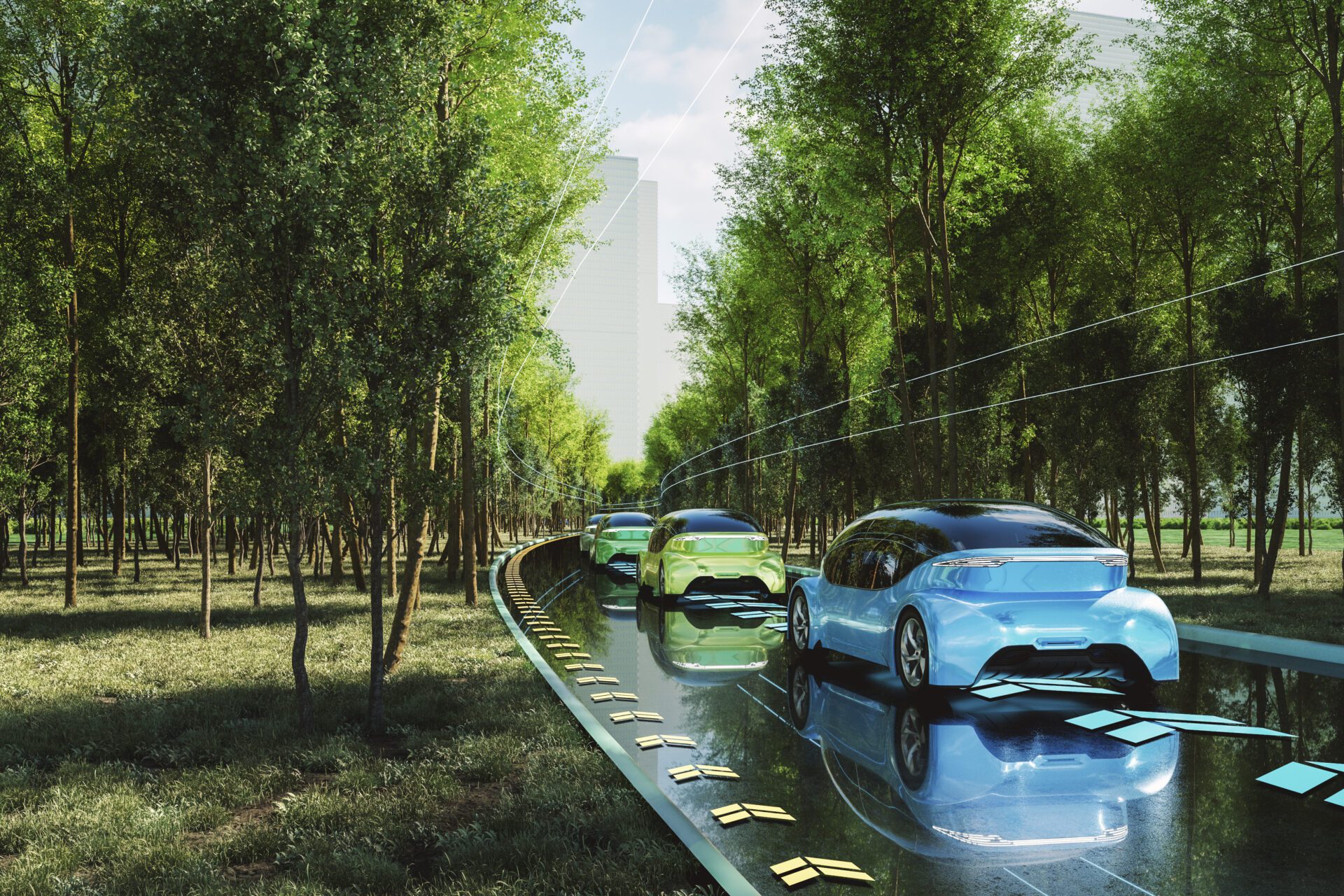
Over the past decade, the world has quietly undergone a transformative shift in how we perceive and use transportation. The rise of electric cars has moved from a futuristic concept to a mainstream reality, reshaping industries, economies, and daily lives. Governments, manufacturers, and consumers alike are embracing this change, driven by environmental concerns, technological advancements, and economic incentives. The silent revolution of electric vehicles (EVs) is not just about replacing gasoline engines with batteries; it represents a fundamental rethinking of mobility, sustainability, and energy consumption. As urban areas grapple with pollution and climate change, electric cars emerge as a beacon of hope, offering a cleaner, quieter, and more efficient alternative to traditional vehicles.
Concept & Overview
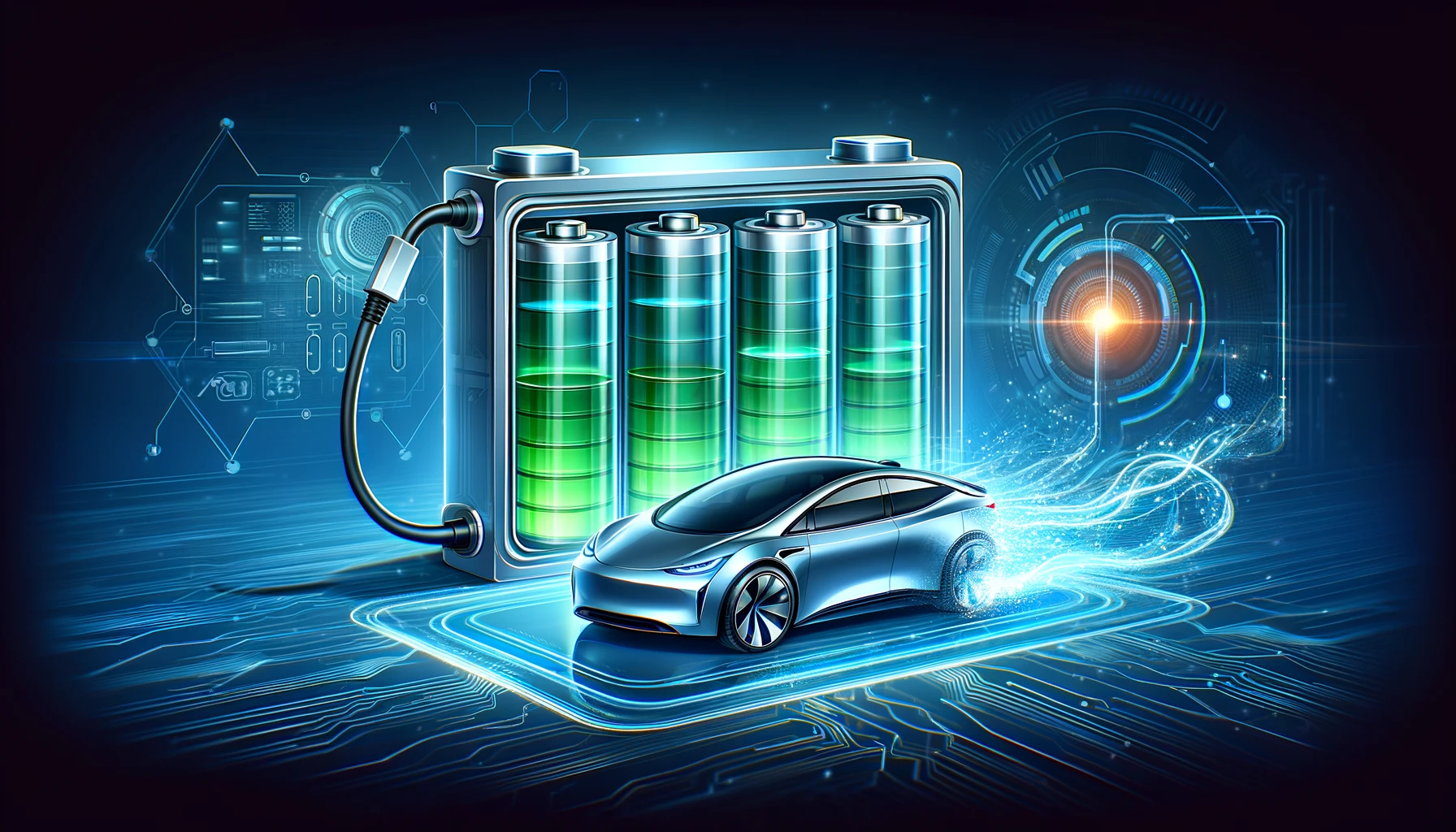
Electric cars are vehicles powered entirely or partially by electricity, stored in rechargeable batteries rather than internal combustion engines. Unlike conventional cars that burn fossil fuels, EVs convert electrical energy from the grid into mechanical energy to drive the wheels, resulting in zero tailpipe emissions. This shift is part of a broader movement towards electrification, which spans from personal vehicles to public transportation and even aviation. The core principle behind electric cars lies in their reliance on lithium-ion batteries, regenerative braking systems, and sophisticated software that optimizes performance and efficiency. As renewable energy sources like solar and wind power become more prevalent, the environmental benefits of EVs will only amplify, creating a synergy between clean energy and clean transportation.
Key Features & Highlights
- Zero Emissions: Electric cars produce no exhaust emissions, significantly reducing air pollution and greenhouse gases in urban areas.
- Energy Efficiency: EVs convert over 77% of electrical energy from the grid to power at the wheels, compared to 12-30% for gasoline engines.
- Lower Operating Costs: Electricity is generally cheaper than gasoline or diesel, and EVs have fewer moving parts, reducing maintenance expenses.
- Smooth & Quiet Ride: The absence of an internal combustion engine eliminates noise and vibration, providing a more serene driving experience.
- Advanced Technology Integration: Many EVs come equipped with cutting-edge features such as autonomous driving assistance, over-the-air software updates, and smartphone connectivity.
- Regenerative Braking: This system captures kinetic energy during deceleration and converts it back into stored electrical energy, improving overall efficiency.
- Government Incentives: Many countries offer tax credits, rebates, and subsidies to encourage EV adoption, making them more affordable for consumers.
Frequently Asked Questions / Pros & Cons
What is the average range of an electric car on a single charge?
Most modern electric cars offer a range between 200 to 300 miles on a full charge, though some high-end models can exceed 400 miles. Factors such as driving habits, weather conditions, and battery size influence the actual range.
How long does it take to charge an electric vehicle?
Charging times vary depending on the charging method. A standard home charger typically takes 6 to 12 hours for a full charge, while fast-charging stations can replenish 80% of the battery in about 30 minutes.
Are electric cars more expensive than gasoline cars?
While the upfront cost of an electric car is often higher than that of a comparable gasoline vehicle, the total cost of ownership is usually lower due to savings on fuel and maintenance. Government incentives can also offset the initial price difference.
What are the environmental benefits of electric cars?
Electric cars produce zero tailpipe emissions, reducing local air pollution and greenhouse gas emissions. Even when accounting for the emissions from electricity generation, EVs generally have a lower carbon footprint than gasoline cars, especially as grids become greener.
Pros:
- Reduced dependence on fossil fuels.
- Lower fuel and maintenance costs.
- Quieter and smoother driving experience.
- Access to restricted zones in cities with low-emission policies.
Cons:
- Limited charging infrastructure in some regions.
- Longer refueling times compared to gasoline cars.
- Higher upfront purchase price in many cases.
- Battery degradation over time, though modern batteries are designed to last many years.
Practical Guidance & Solutions
For those considering the switch to an electric vehicle, practical steps can ensure a smooth transition. First, assess your driving needs and daily mileage to determine if an EV suits your lifestyle. Research available models and compare their range, charging capabilities, and pricing. Take advantage of government incentives and tax credits to reduce the upfront cost. Before purchasing, test drive different EVs to get a feel for their performance and features. If home charging is an option, install a Level 2 charger for faster and more convenient recharging. For long trips, plan charging stops in advance using apps or navigation systems that locate charging stations along your route. Regularly maintain your EV by following manufacturer guidelines, which often include checking tire pressure and battery health. Finally, stay informed about advancements in battery technology and charging infrastructure, as these will continue to improve the convenience and appeal of electric cars.
Conclusion
The silent revolution of electric cars is reshaping the way we move, think, and live. What began as a niche experiment has blossomed into a global movement, driven by necessity and innovation. With their unparalleled efficiency, environmental benefits, and cutting-edge technology, electric vehicles are not just a part of the future, they are the future itself. As charging infrastructure expands and battery technology evolves, the barriers to adoption will continue to crumble. The road ahead is clear, and it is electric. Whether you are an early adopter or a curious observer, the time to embrace this change is now. The future of driving is here, and it is quieter, cleaner, and more sustainable than ever before.