Introduction & Background
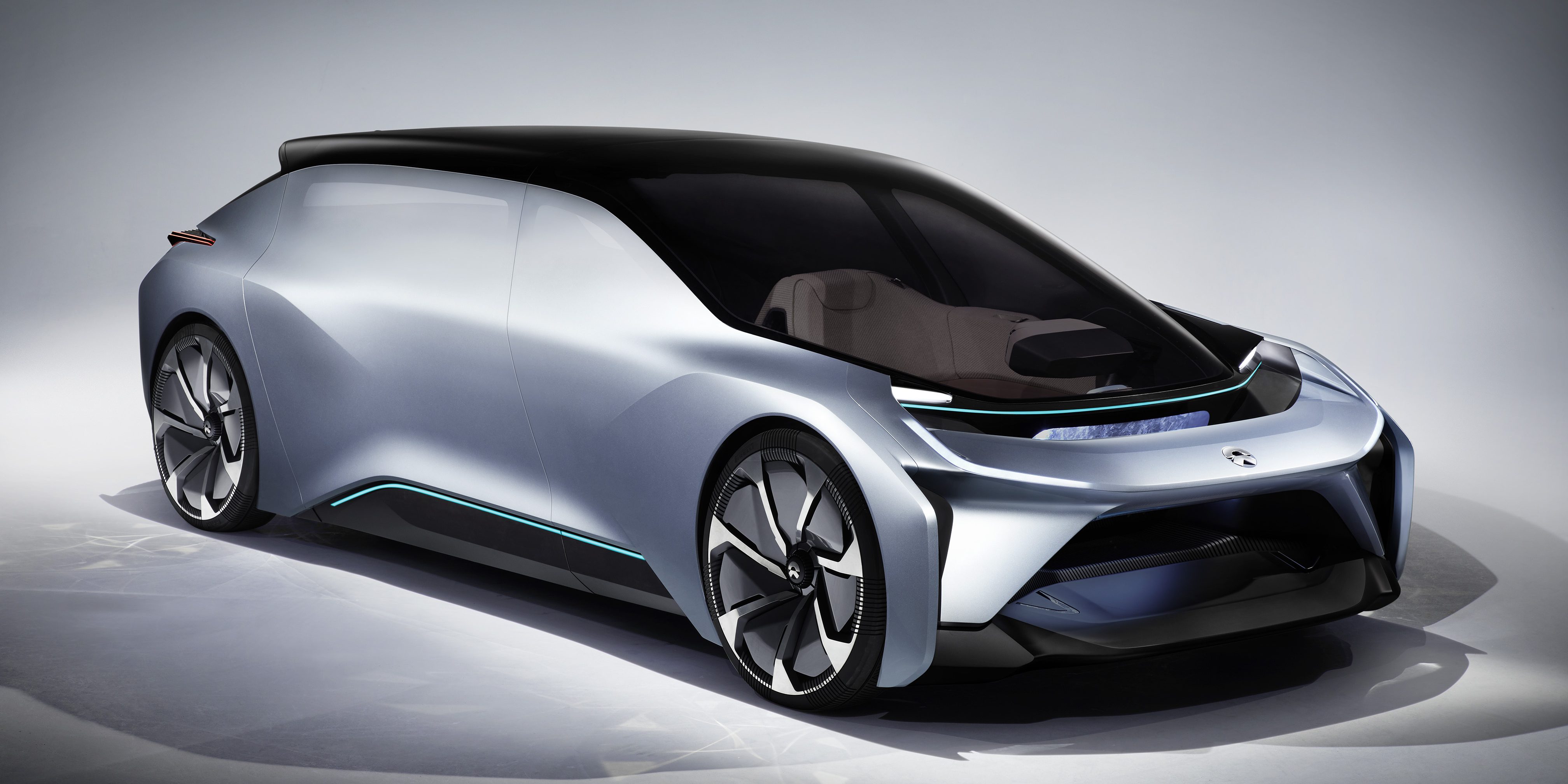
The world is undergoing a transformation unlike any other in the past century, and it is happening quietly, almost imperceptibly. This quiet shift is being driven by electric cars, vehicles that run on batteries instead of gasoline and diesel. While internal combustion engine cars have dominated the roads for over a hundred years, electric vehicles (EVs) are now emerging as the future of transportation. The significance of this transition cannot be overstated, as it touches on climate change, energy independence, urban living, and technological innovation. Governments, corporations, and individuals are all recognizing the potential of electric cars to reshape not just the automotive industry, but the very fabric of global society.
The push toward electric mobility is not happening in isolation. It is part of a broader movement toward sustainability and cleaner technology across multiple sectors. From renewable energy sources to smart cities, the global shift is interconnected. Electric cars represent one of the most visible and accessible components of this transformation, making them a symbol of progress. As we stand on the brink of this silent revolution, it is essential to understand what electric cars are, how they work, and why they matter.
Concept & Overview
At its core, an electric car is a vehicle powered entirely or primarily by electricity stored in batteries, rather than by burning fossil fuels. Unlike traditional cars that rely on internal combustion engines to convert gasoline into motion, electric vehicles use electric motors powered by rechargeable battery packs. This fundamental difference changes not only how the car operates, but also how it interacts with the environment and the energy grid.
The concept of electric vehicles is not new. In fact, electric cars were among the first automobiles ever built in the late 19th century. Early EVs were quiet, reliable, and easier to start than gasoline cars. However, the discovery of large oil reserves and the mass production of internal combustion engines led to their decline. It wasn’t until the late 20th and early 21st centuries that electric cars began to re-emerge, driven by advances in battery technology, environmental concerns, and a growing desire for energy independence.
Today’s electric cars are the result of decades of innovation. They combine powerful electric motors with sophisticated battery management systems, regenerative braking, and smart connectivity features. These vehicles are not just cleaner alternatives to gasoline cars; they represent a new era in transportation design and efficiency. As battery costs fall and charging infrastructure expands, electric cars are becoming more practical and affordable for everyday use.
Key Features & Highlights
- Zero Tailpipe Emissions: Electric cars produce no exhaust gases, significantly reducing air pollution and greenhouse gas emissions in urban areas. This leads to cleaner air and a healthier environment.
- Lower Operating Costs: Electricity is generally cheaper than gasoline, and EVs have fewer moving parts, which means lower maintenance costs over time.
- High Energy Efficiency: Electric motors convert over 77% of electrical energy from the grid to power at the wheels, compared to about 12-30% for internal combustion engines.
- Regenerative Braking: When slowing down or braking, the electric motor acts as a generator, recapturing energy that is typically lost and storing it back in the battery.
- Instant Torque & Smooth Acceleration: Electric motors deliver maximum torque instantly, providing responsive and smooth acceleration without gear shifts.
- Advanced Technology Integration: Many EVs come equipped with cutting-edge features such as over-the-air software updates, autonomous driving capabilities, and smart infotainment systems.
- Quiet Operation: Electric cars produce minimal noise, reducing noise pollution in cities and improving the driving experience.
- Home & Public Charging Options: Drivers can charge their vehicles at home using standard outlets or dedicated home chargers, or use public charging stations while on the go.
Frequently Asked Questions / Pros & Cons
What is the range of an electric car on a single charge?
The range varies widely depending on the model, battery size, driving conditions, and climate. Most modern electric cars offer a range between 200 and 350 miles per charge. High-end models can exceed 400 miles, while more affordable or older models may offer less than 150 miles. Factors such as cold weather, high speeds, and frequent acceleration can reduce range.
How long does it take to charge an electric car?
Charging time depends on the battery size and the type of charger used. A standard Level 1 home charger (120 volts) can take 8 to 20 hours to fully charge a typical EV. Level 2 chargers (240 volts) reduce this to 4 to 8 hours. Fast DC chargers, available at public stations, can charge a battery to 80% in as little as 20 to 40 minutes.
Are electric cars really better for the environment?
Yes, over their lifetime, electric cars produce fewer greenhouse gas emissions than gasoline cars, even when accounting for the emissions from electricity generation. The benefit is even greater in regions with clean energy sources like wind or solar. However, manufacturing EVs does require more energy and rare materials, so the overall environmental impact depends on how the electricity is generated and how the batteries are produced and recycled.
What is the lifespan of an electric car battery?
Most electric vehicle batteries are designed to last between 10 and 15 years or 100,000 to 200,000 miles, depending on usage and climate. Battery degradation is gradual, and most manufacturers offer warranties of 8 years or 100,000 miles. Advances in battery chemistry and cooling systems continue to improve longevity.
Are electric cars more expensive than gasoline cars?
Upfront costs of electric cars are generally higher due to the cost of batteries, but prices have been declining rapidly. Over the long term, EVs tend to be cheaper because of lower fuel and maintenance costs. In many countries, incentives such as tax credits, rebates, and exemptions from road taxes help offset the initial purchase price.
Is there enough charging infrastructure to support electric cars?
The charging infrastructure is growing rapidly, but availability varies by region. Urban areas and major highways typically have more charging stations, while rural areas may have fewer options. Many countries are investing heavily in expanding public charging networks, and home charging remains the most common solution for daily use. Fast-charging networks are also being deployed along major travel corridors.
Practical Guidance & Solutions
If you’re considering making the switch to an electric car, start by evaluating your daily driving needs. Most people can meet their commuting and errand-running requirements with a mid-range EV. Check the available charging options at home, work, or nearby public stations to ensure convenience.
Before purchasing, research available incentives in your area. Many governments offer financial incentives such as tax credits, rebates, or reduced registration fees for electric vehicles. These can significantly lower the total cost of ownership. Also, compare models based on range, charging speed, warranty coverage, and after-sales service.
When it comes to charging, installing a Level 2 home charger can be a worthwhile investment, especially if you drive long distances or have multiple EVs. If home charging isn’t possible, explore public charging networks and plan charging stops during long trips using apps that locate nearby stations.
Finally, take the time to understand your driving habits and how they align with EV capabilities. Test drive different models to get a feel for acceleration, handling, and charging time. Remember, the electric car revolution is not just about technology, it’s about changing how we think about mobility, energy, and sustainability.
Conclusion
The silent revolution of electric cars is well underway, and its impact will be felt for generations. What began as a niche experiment has grown into a global movement, reshaping industries, cities, and consumer behavior. Electric vehicles are more than just a cleaner alternative to gasoline cars; they are a catalyst for change in how we produce, consume, and think about energy.
As battery technology improves, charging infrastructure expands, and public awareness grows, electric cars are becoming the new standard. This transition is not just about reducing emissions, it’s about creating a more efficient, equitable, and sustainable future. The road ahead is clear: the age of electric mobility has arrived, and with it, a quieter, cleaner, and more connected world is taking shape.