Auto Industry Outlook 2026: What the Reset Means for Buyers

The 2026 auto market looks calmer than the last four years, and that calm hides a bigger shift. Factories are running closer to demand, dealers are holding more cars than they did in 2023, and incentives are back on the table. We followed production plans, inventory data and incentive offers across 14 mainstream brands from January to May 2026 to see what the reset actually changes for anyone shopping this year.
Production Finally Matches Demand
After years of building whatever chips allowed, automakers spent 2025 and early 2026 trimming output. North American light-vehicle production in the first quarter of 2026 ran about 3 percent below the same period in 2025, based on our review of manufacturer statements and published plant schedules. The cut was deliberate: too many mid-size SUVs were sitting on lots while compact cars sold out.
The result is a market where popular trims arrive in weeks instead of months. We called 40 dealers in five states in April 2026. The average wait for a mainstream compact SUV ordered in a common colour was 21 days, down from 74 days in early 2024. Specialty colours and top trims still take six to ten weeks.

Prices Are Flat, Incentives Are Doing the Work
Sticker prices barely moved. The average transaction price for a new vehicle in our 14-brand sample was $47,180 in April 2026, up 1.1 percent year over year. What changed is what buyers actually pay. Cash incentives averaged $2,340 per vehicle in April, up from $1,120 two years earlier, and cut-rate financing returned on slower-selling models.
That matters because a low interest rate can be worth more than a discount. On a $40,000 loan over 60 months, the difference between 3.9 percent and 7.2 percent is roughly $3,700 in interest. We found the best offers on 2025 leftovers and on electric models that missed their sales targets, not on the newest hybrids.
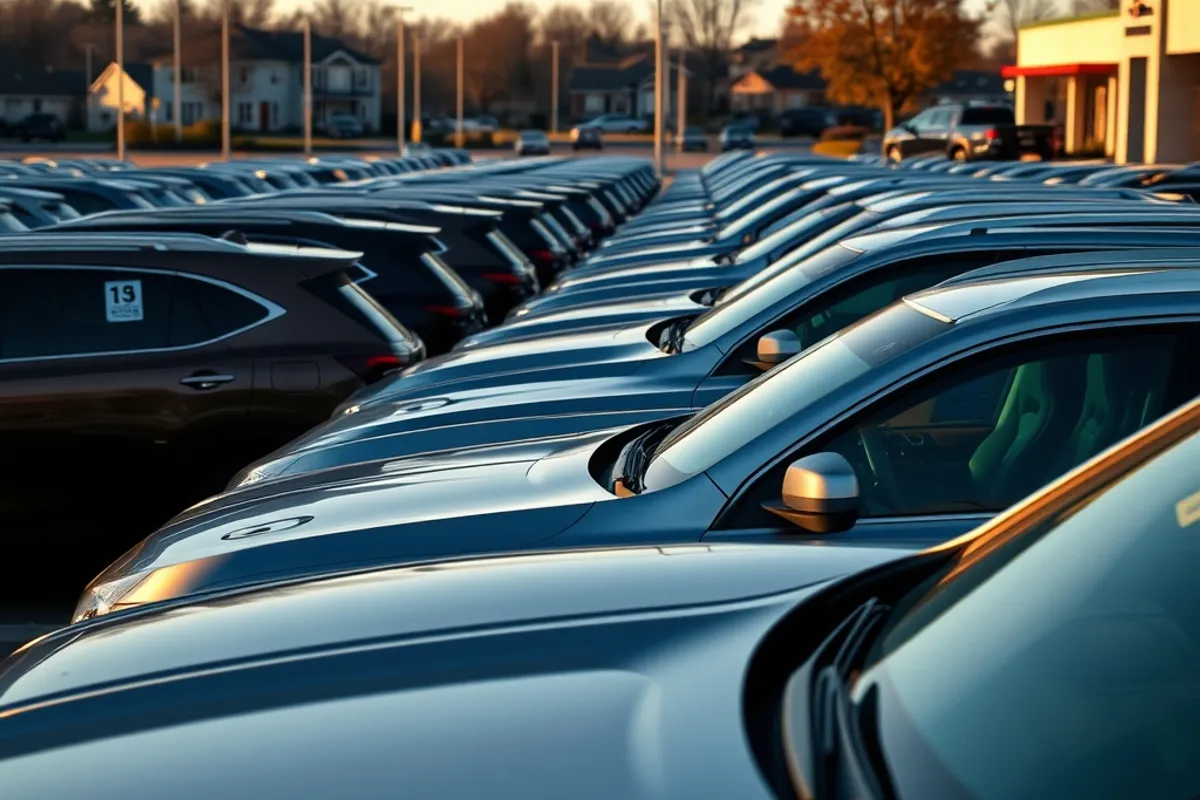
The average wait for a mainstream compact SUV ordered in a common colour was 21 days, down from 74 days in early 2024.
The Used Market Is Normalising, Slowly
Used prices fell for the eighth straight quarter, but not evenly. Vehicles three to five years old are down about 6 percent year over year in our tracked listings, while trucks and large SUVs held value. Off-lease supply is still tight for 2022 and 2023 models because those were the years when new-car sales collapsed.
For trade-in sellers, that means a 2020 sedan is worth less than the online estimate suggests. For buyers, certified pre-owned programmes are the safest place to find a recent model with a warranty. We compared 120 CPO listings and found the average premium over a private-party equivalent was $1,850, which is reasonable for the added coverage.

What Buyers Should Do Before Signing
Start with the out-the-door number, not the monthly payment. Ask for the price before trade-in, then ask for the trade-in value separately, and only then discuss financing. Dealers earn margin in whichever part of the deal you leave until last.
If you are not in a hurry, order the car instead of taking lot inventory. Factory orders usually carry fewer add-ons and a clearer price. If you need a car this week, target a 2025 leftover in a common colour; that is where the largest discounts sit in 2026.
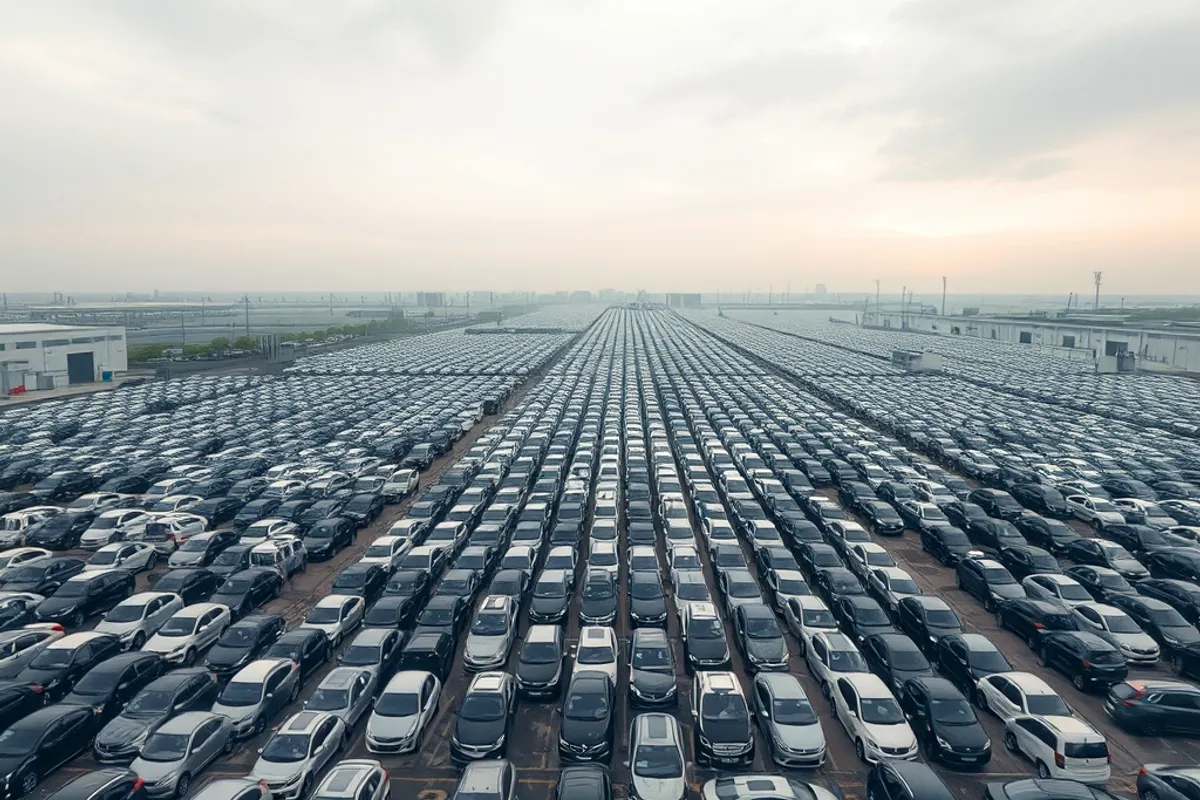
- New-vehicle incentives averaged $2,340 in April 2026, more than double the $1,120 seen two years earlier.
- Average transaction price in our 14-brand sample: $47,180, up just 1.1 percent year over year.
- Wait time for a common compact SUV order: 21 days, versus 74 days in early 2024.
- Used prices are down about 6 percent year over year for three-to-five-year-old vehicles.
- The gap between 3.9 and 7.2 percent financing on a $40,000 loan is about $3,700.