EV Price War 2026: Who Wins and What It Costs You

Electric car prices in 2026 are lower than almost anyone predicted in 2022. A compact EV that started near $38,000 now advertises $27,900 before incentives. The catch is that not every cut is the same: some models lost battery capacity, some dropped heat pumps, and some simply moved the discount into a lease. We compared 18 EV listings and spec sheets between February and May 2026 to separate genuine value from marketing.
How the Price War Started
Three things collided. Battery cell prices fell for a third straight year, new capacity came online in several regions, and governments tightened local-content rules for incentives. Automakers that had planned for steady growth found themselves with too much inventory and too few buyers at the old prices.
The first cuts came from brands with the most to lose. By March 2026, the average advertised price of a compact EV in our sample was 14 percent below January 2025. That is not a sale; it is a reset. The question for buyers is what got removed to make the number work.
What the Cuts Actually Include
We found three patterns. The cleanest is a straight price cut on an unchanged car, usually on last year's trim with the same battery. The second is a smaller battery with a lower range rating, which lowers cost but changes how the car fits your week. The third is a lease deal where the discount exists only if you never buy the car at the end.
A useful test is range per dollar. The cheapest model in our sample offered 214 miles of rated range for $27,900, or $130 per mile. A mid-priced rival offered 302 miles for $34,400, or $114 per mile. The cheaper car is still the cheaper car, but the more expensive one is the better buy per mile of range.
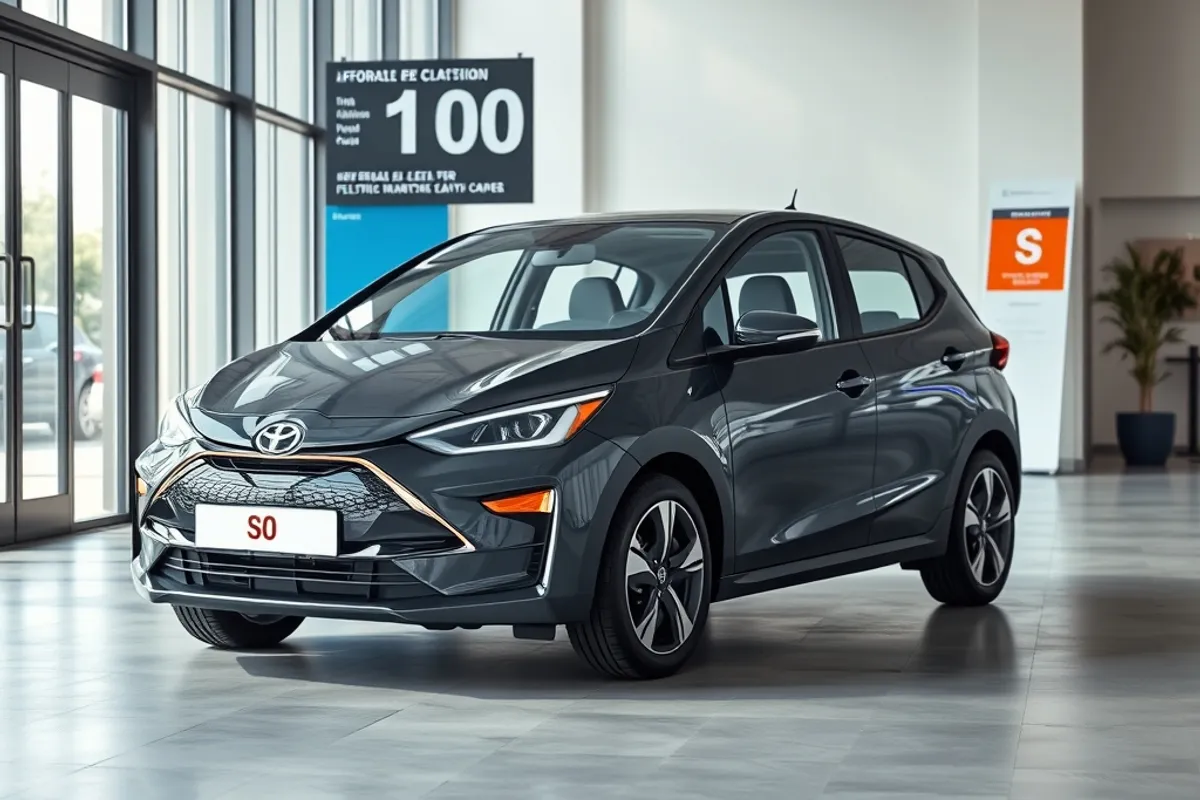
The cheapest EV in our sample cost $130 per mile of rated range; a mid-priced rival cost $114. Cheap and good value are not the same thing.
The Trade-Offs That Do Not Show on the Sticker
Two features quietly disappeared from several entry trims: the heat pump and the faster onboard charger. In mild weather neither matters much. In a cold climate, a car without a heat pump can lose 15 to 25 percent more range in winter, and a slower onboard charger turns a 30-minute home top-up into a three-hour wait.
Insurance and tyres also deserve a look. EV tyres wear faster because of the extra weight and instant torque, and replacements cost 20 to 35 percent more than equivalent petrol-car tyres in our price checks. Insurance quotes varied by more than $600 a year between models in the same price band.

Who Should Buy Now, and Who Should Wait
If you drive under 40 miles a day and can charge at home, the entry models now make financial sense. The fuel saving alone can cover the price gap within four to five years at current electricity and petrol prices. If you regularly drive long distances or cannot charge at home, the cheap end of the market is where the compromises bite hardest.
Waiting has a cost too. Incentives are shrinking as local-content rules tighten, and the next round of models arrives with newer battery chemistry but higher list prices. Our advice: choose the battery size for your worst week, not your average day, and get an insurance quote before you sign anything.
- Compact EV prices in our sample fell 14 percent between January 2025 and March 2026.
- The cheapest model cost $130 per mile of rated range; a mid-priced rival cost $114 per mile.
- Entry trims often dropped the heat pump, adding 15 to 25 percent winter range loss.
- EV tyres cost 20 to 35 percent more than petrol-car equivalents in our price checks.
- Insurance quotes varied by more than $600 a year between models in the same price band.