Home / Classic Cars
Classic Cars 2026: Buying, Restoring and Owning
Classic car ownership rewards patience and punishes optimism. We talk to restorers, auction specialists and owners who have done it recently, then turn their experience into checklists you can use before money changes hands.
Buy the structure, not the paint
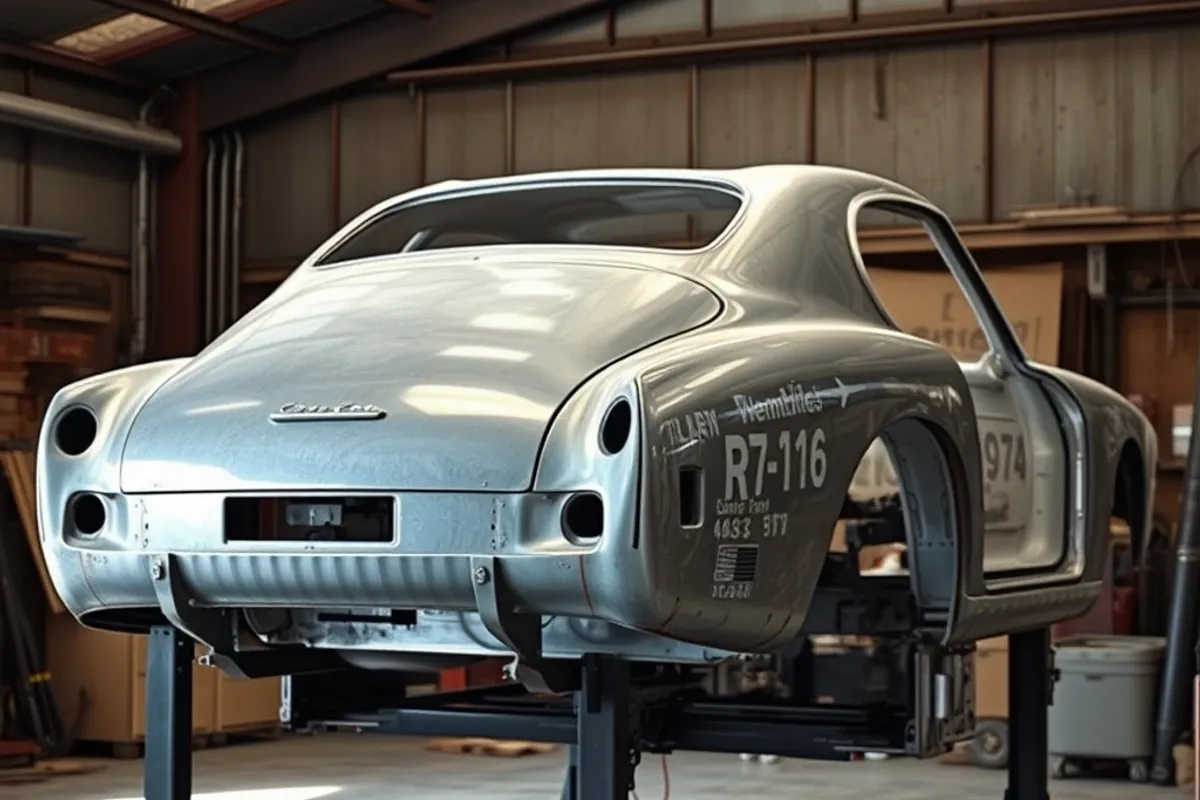
A shiny respray can hide serious corrosion. Sills, floors, boot floors and windshield frames are where classics fail, and repairs there cost far more than mechanical work.
Take a magnet and a flashlight, get underneath the car and photograph everything. A specialist inspection is cheap compared with a hidden rust repair.
Restoration is a project, not a purchase
The purchase price is roughly half the real cost. Bodywork and paint usually take the largest share, followed by mechanical work, then trim and chrome. Surprises live underneath the paint.
Agree a written scope with milestones and pay against progress. A restoration without a budget and a deadline becomes an open-ended expense.
Paperwork protects the value
Matching numbers, a clean title and a documented history add value and reduce risk. Missing paperwork can delay a sale or kill a deal entirely.
Keep every invoice and photograph each stage of the work. When you eventually sell, the file is part of what the next owner is buying.