How to Buy a Classic Car in 2026 Without Losing Your Shirt
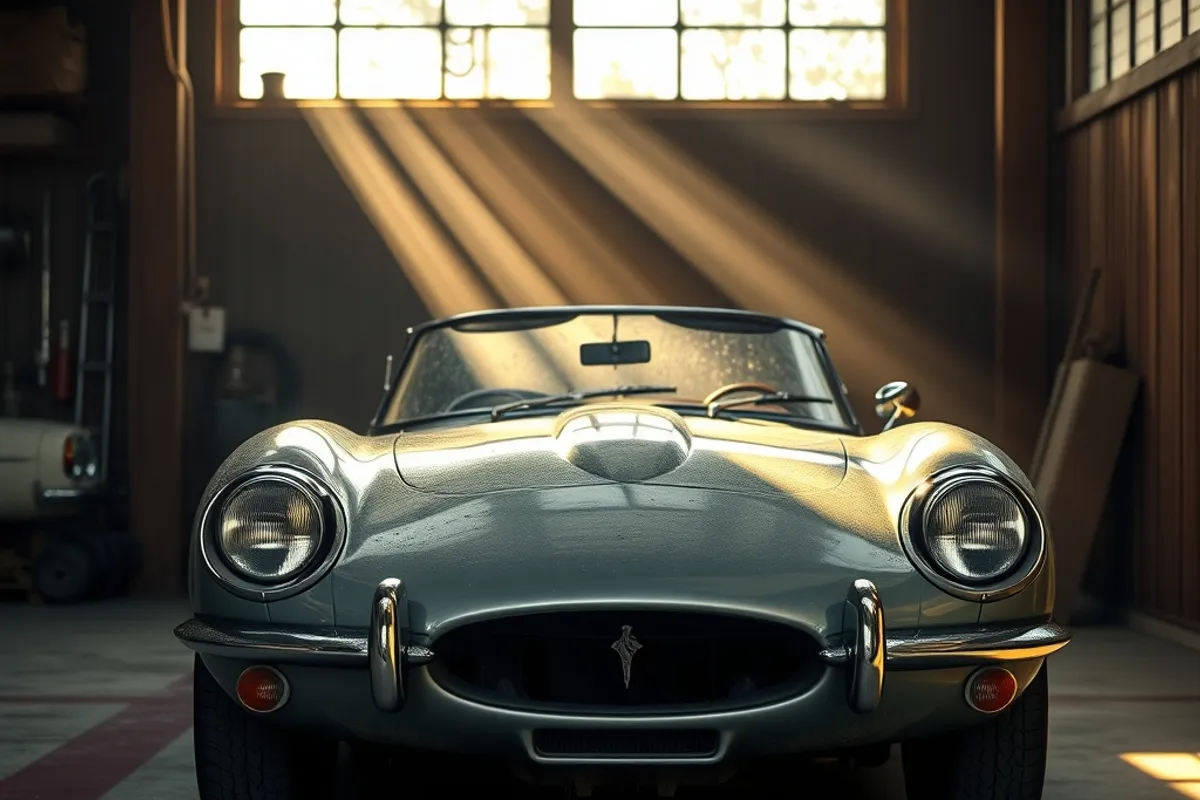
A classic car is a hobby with a VIN. The romance is real, but so are the rust, the parts bills and the paperwork. We spoke to restorers, auction specialists and owners who bought in the last two years to build a practical checklist for buying a classic in 2026 without turning a dream into a money pit.
Set a Budget You Can Actually Keep
The purchase price is roughly half the story. Set aside 15 to 25 percent of the car's value for the first year of sorting, and more if the car has been off the road. A $30,000 classic can absorb $6,000 in tyres, fluids, brakes, hoses and electrical fixes before you drive it properly.
Decide what you want: a driver, a show car or an investment. Those are three different purchases. A driver can have imperfect paint and a rebuilt engine; a show car cannot. Mixing the two goals is how budgets explode.
Inspect the Car in Daylight
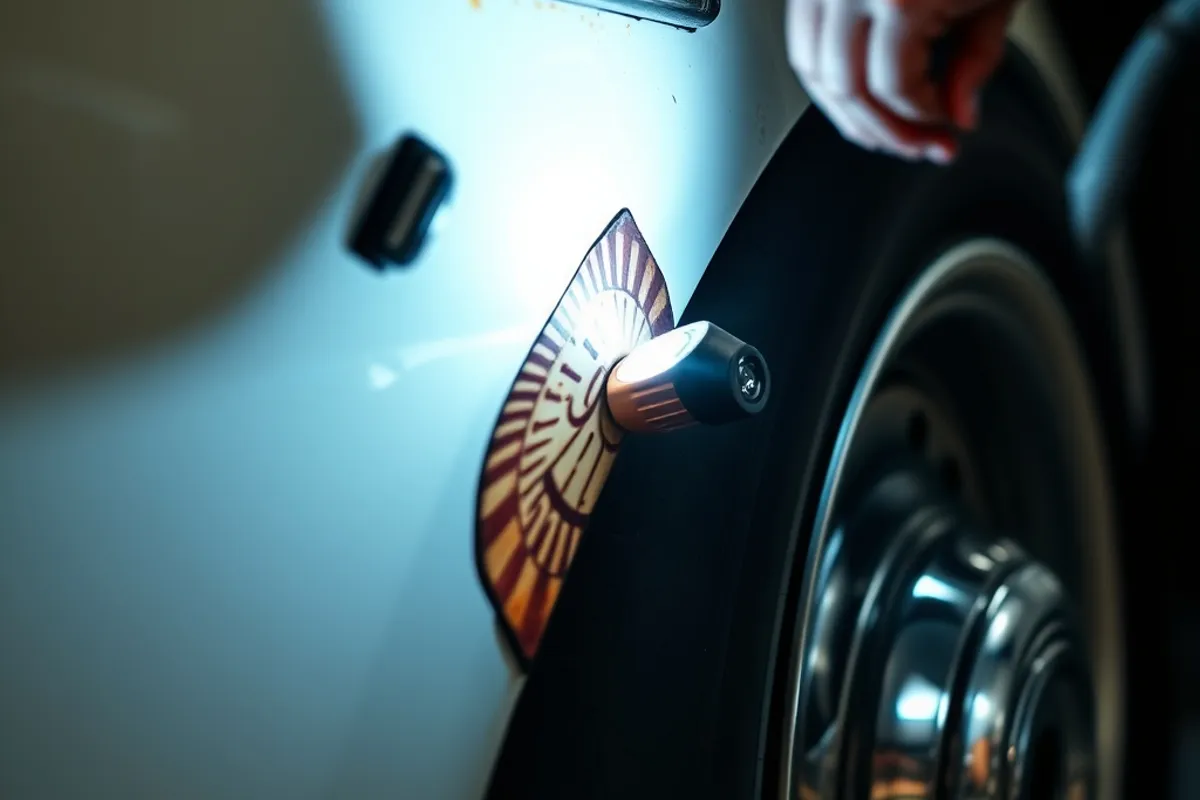
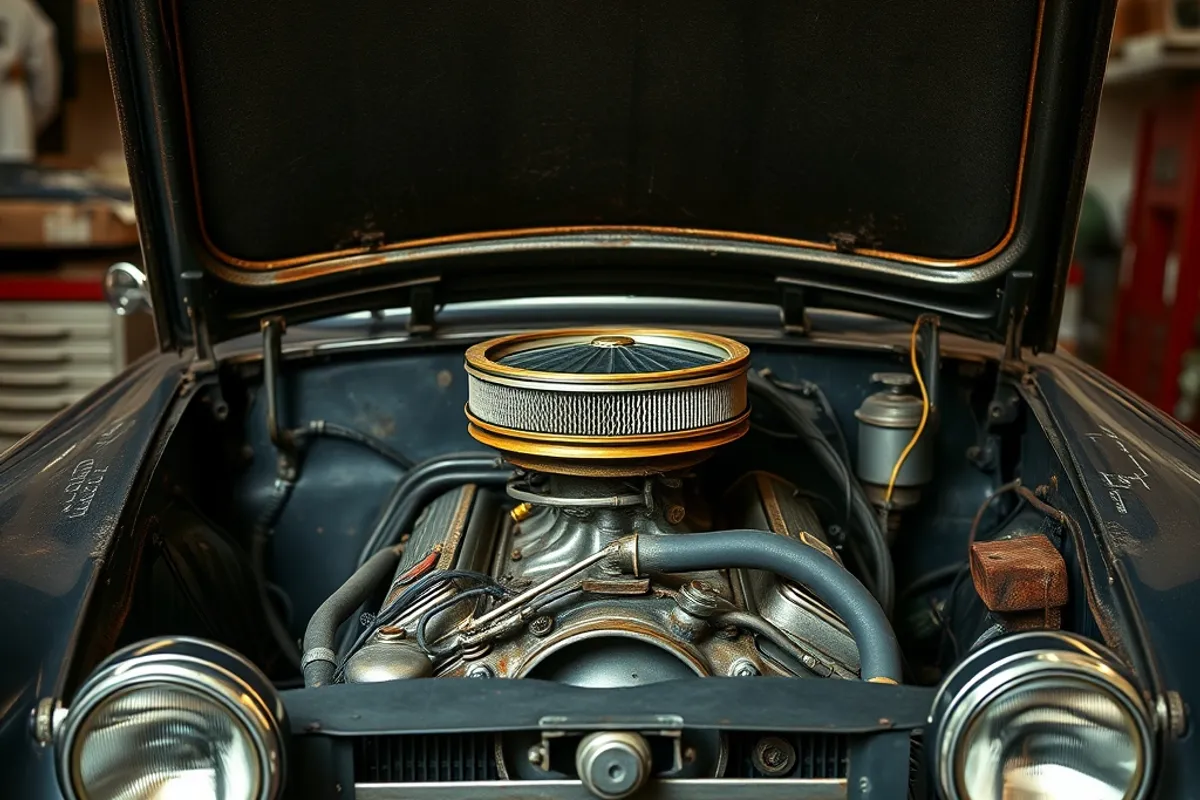
Bring a flashlight and a magnet. Rust hides under sill covers, in the boot floor, around the windshield frame and behind the rear wheels. A magnet that will not stick is a sign of filler. Check panel gaps on both sides and look for overspray on rubbers and trim.
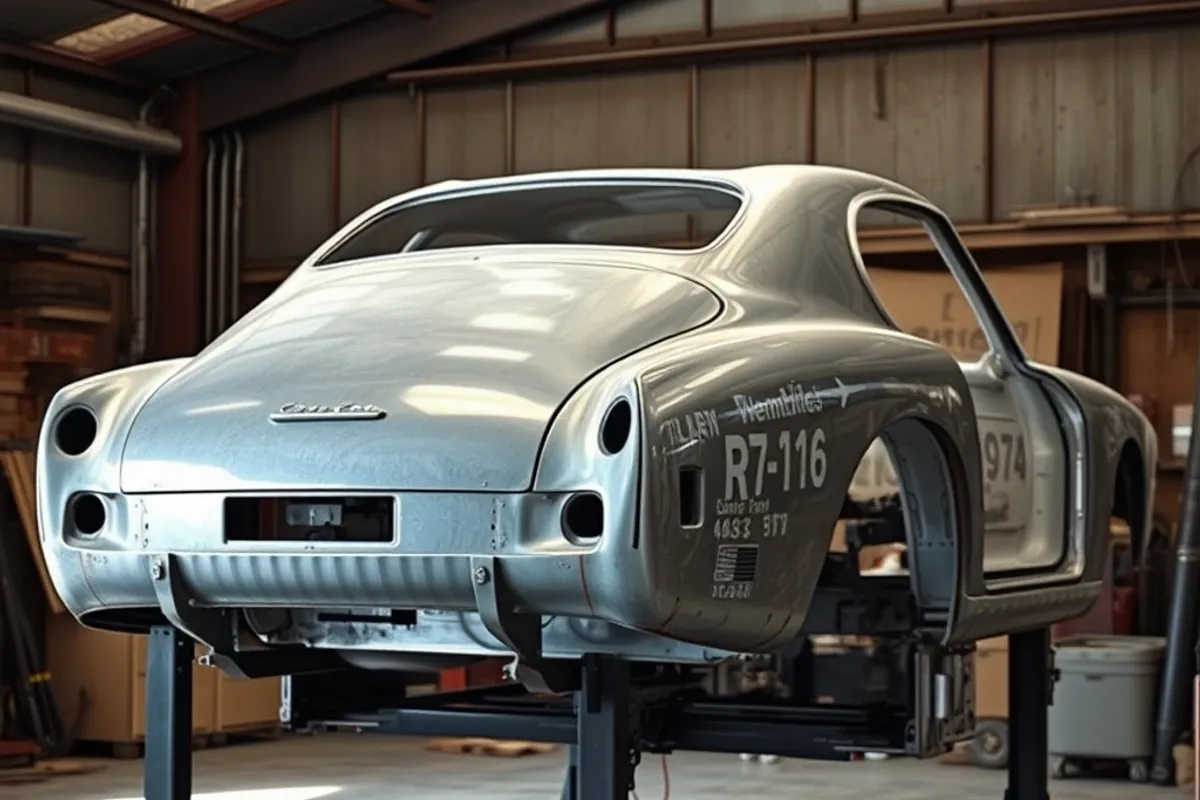
Get underneath if you can, or pay a specialist to do it. Look at the chassis rails, jacking points and suspension mounts. Oil leaks are common and often manageable; structural rust is not. Photograph everything before you make an offer.
Paperwork problems delayed or killed more classic-car deals than mechanical faults in our survey of restorers.
Paperwork and Matching Numbers
Check the VIN on the car against the title, the registration and the engine stamp. Matching numbers add value and reduce risk. Ask for service history, old invoices and photographs of any restoration. A car with no history is not automatically bad, but it should be priced accordingly.
Confirm the title is clean and in the seller's name. Check for outstanding finance, import duties and any registration gaps. In our survey of restorers, paperwork problems delayed or killed more deals than mechanical faults.
Test Drive and Negotiate
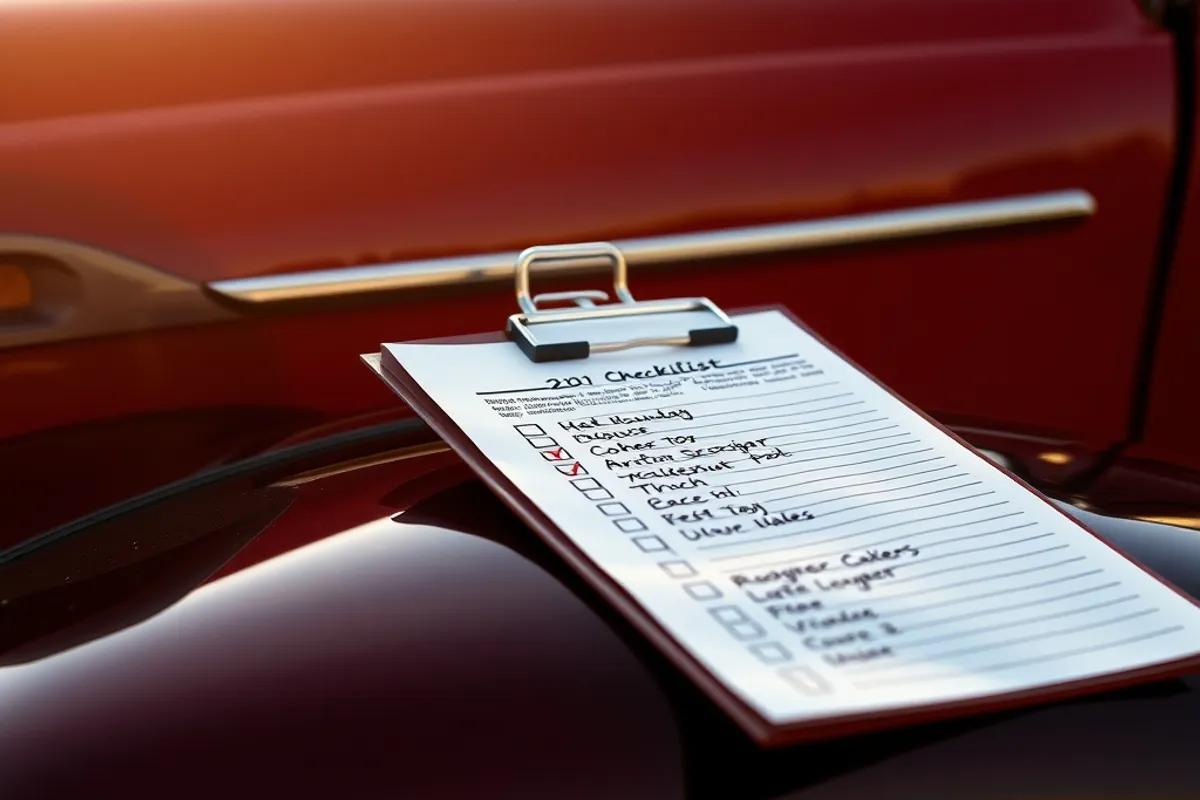
Drive it for at least 20 minutes, including a cold start. Listen for knocks, watch for smoke and feel for vague steering or a dragging brake. Test every switch, gauge and light. A car that will not start warm is telling you something.
Negotiate with a repair estimate, not an opinion. Get quotes for the faults you find and use them as the basis for an offer. Walk away once if the seller will not budge; classic cars are not rare enough to justify a bad deal.

- Budget 15 to 25 percent of the purchase price for first-year sorting costs.
- Inspect sills, boot floor, windshield frame and rear wheel arches with a magnet and flashlight.
- Matching numbers and a clean title add value and reduce risk.
- Drive for at least 20 minutes, including a cold start, before negotiating.
- Use written repair estimates, not opinions, to justify an offer.