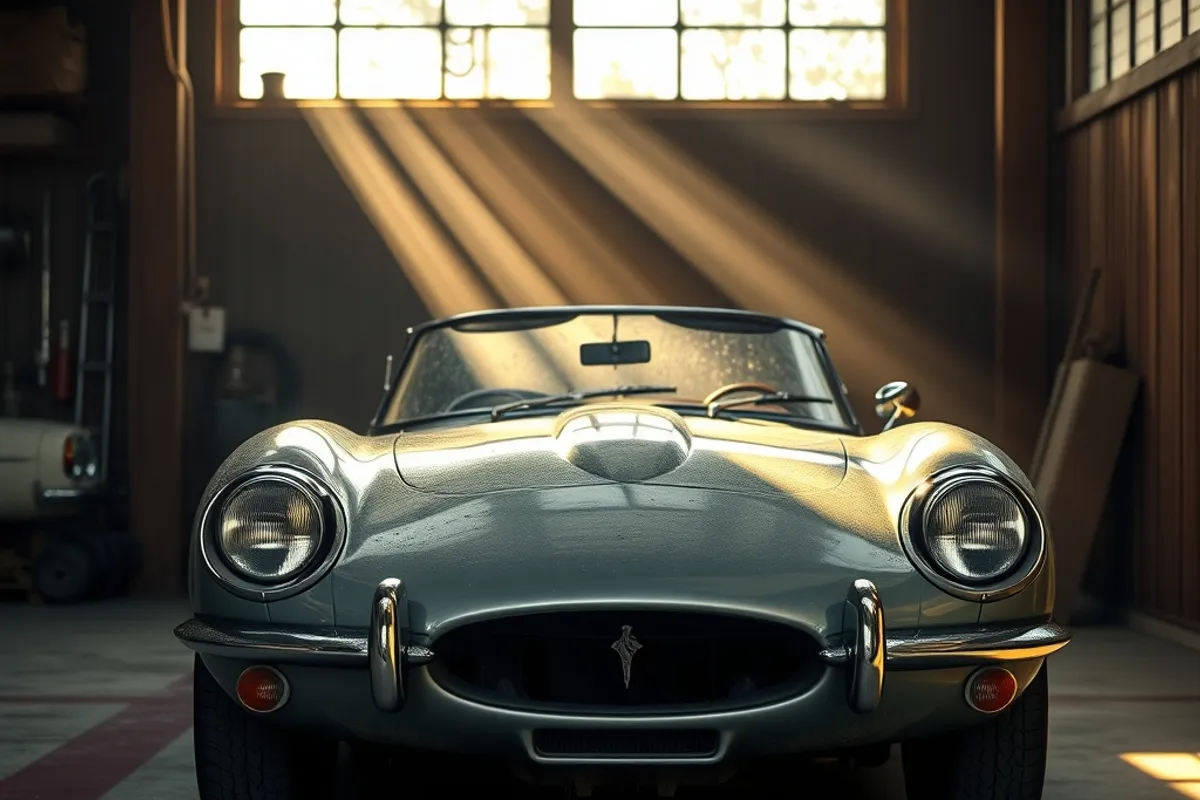
Classic Car Restoration in 2026: Real Costs Before You Start
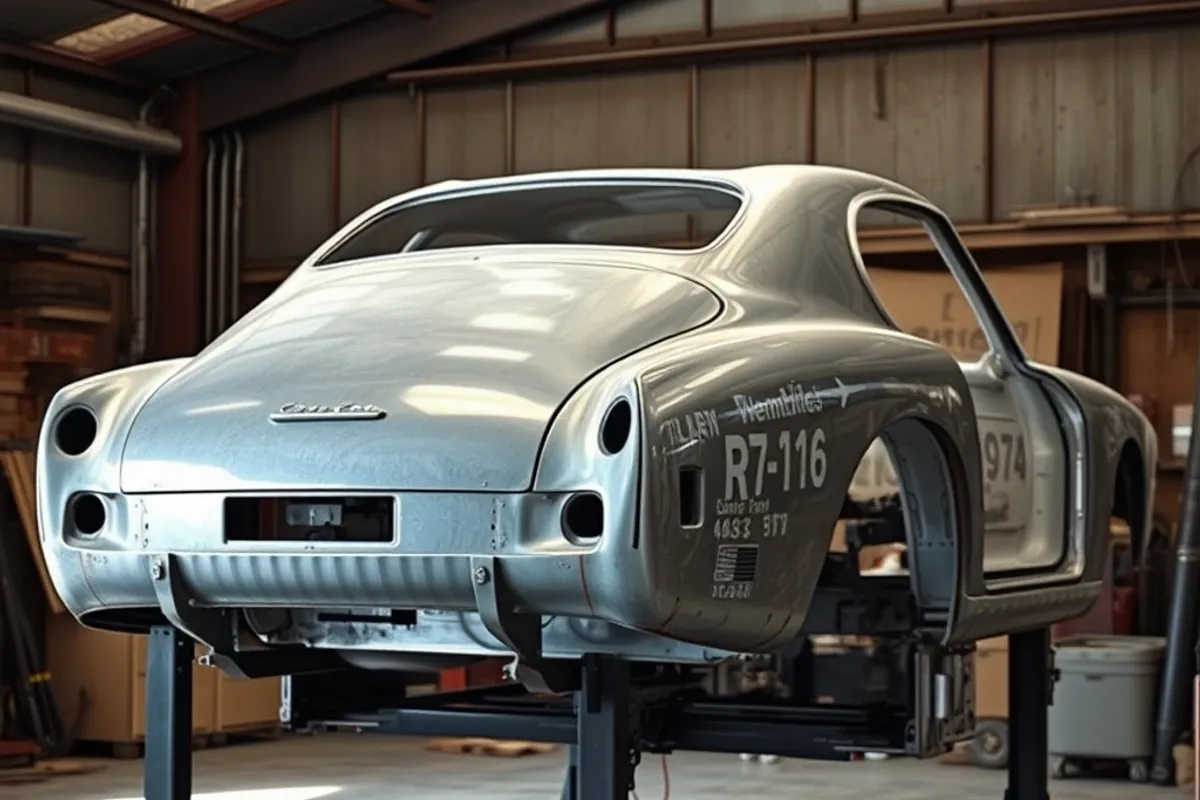
Restoration quotes are where optimism goes to die. We collected estimates from eight specialist workshops in 2026 for the same mid-1960s coupe, then followed two real projects to see where the money actually went. The short version: bodywork and paint consume more than half the budget, and the surprises hide underneath.
The Honest Cost Breakdown
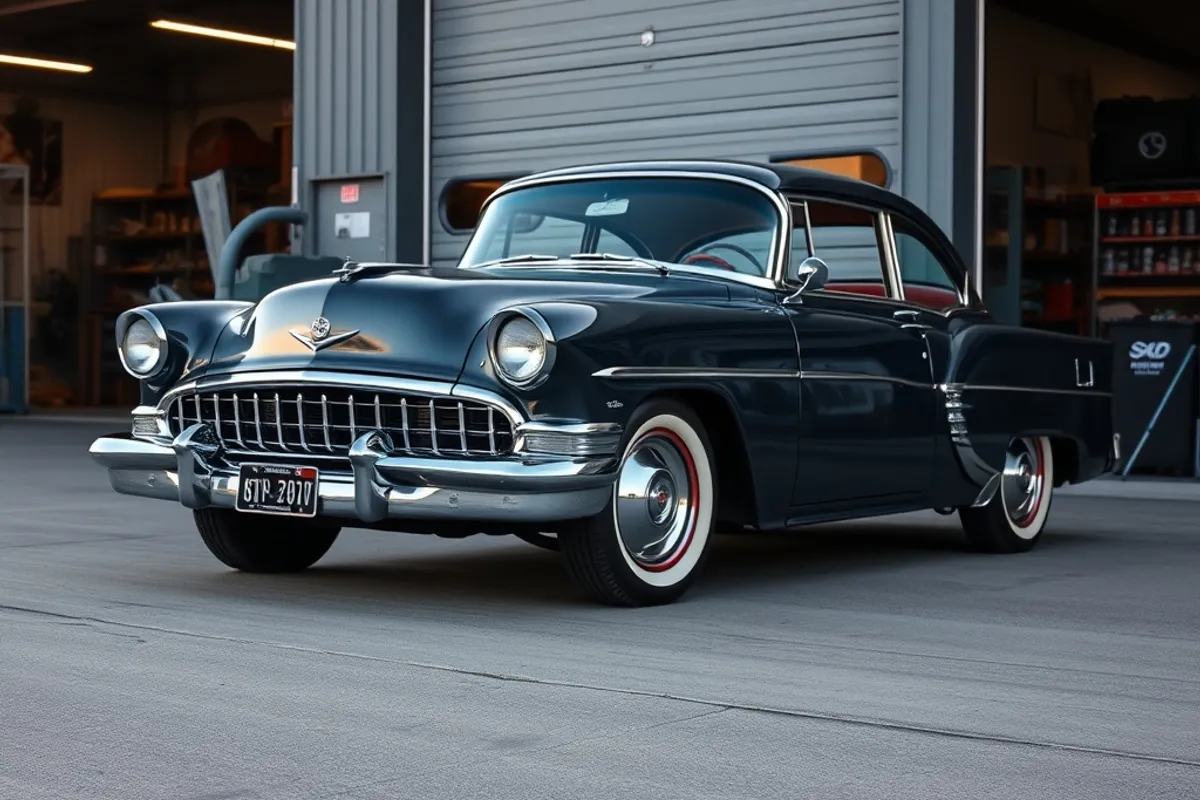
For a driver-quality restoration of a common 1960s coupe, our workshop sample quoted $38,000 to $65,000. Bodywork and paint accounted for 45 to 60 percent. Mechanical work, including engine, gearbox, suspension and brakes, took 20 to 30 percent. Trim, glass and electrics filled the rest.
Concours work doubles those numbers quickly. A bare-metal respray alone ranged from $12,000 to $25,000, depending on the finish and how much metal needed replacing. Budget separately for parts; the labour quote rarely includes them.
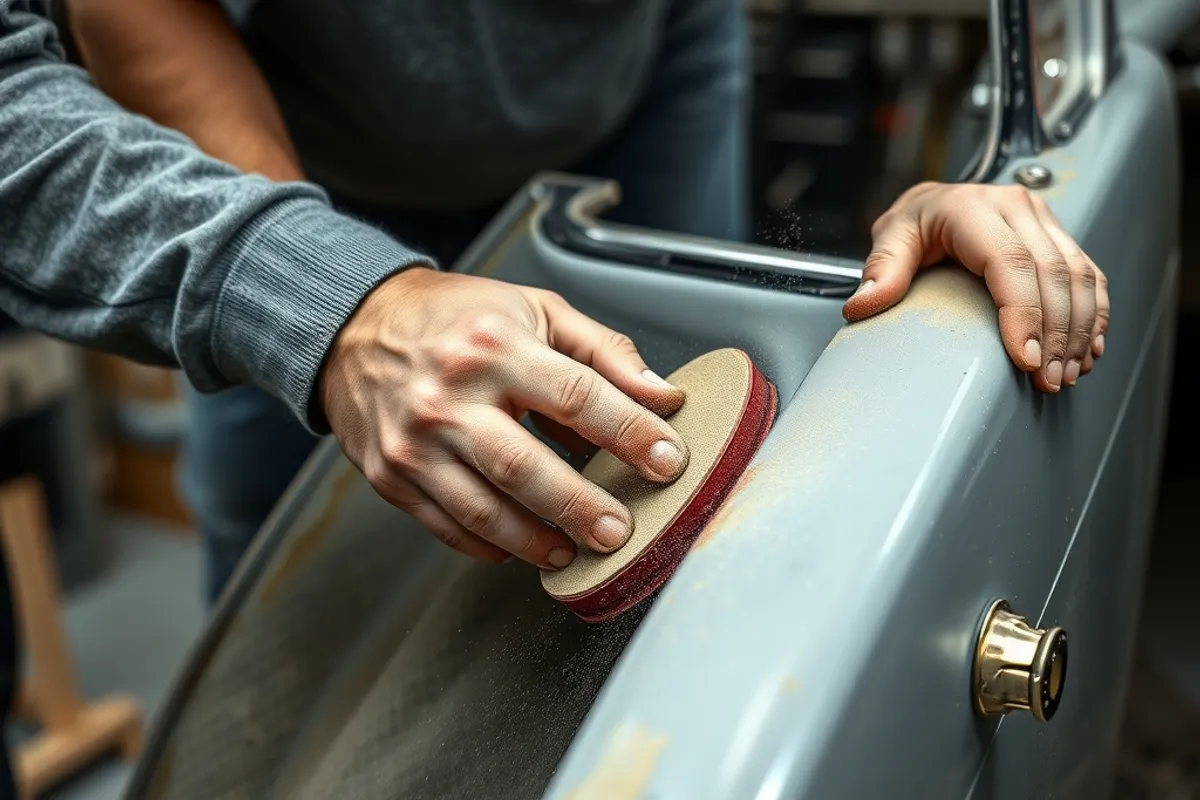
Bodywork and Paint: Where Budgets Break
Rust repair is the wildcard. A small patch can become a complete sill, floor or boot repair once the paint is stripped. Our two tracked projects both found more corrosion than the initial inspection suggested, adding $4,200 and $7,800 respectively.
Paint is labour, not material. A cheap respray can look good for two years and then show sink marks and peeling. Ask what preparation is included, how many coats are applied and whether the car is stripped to bare metal.
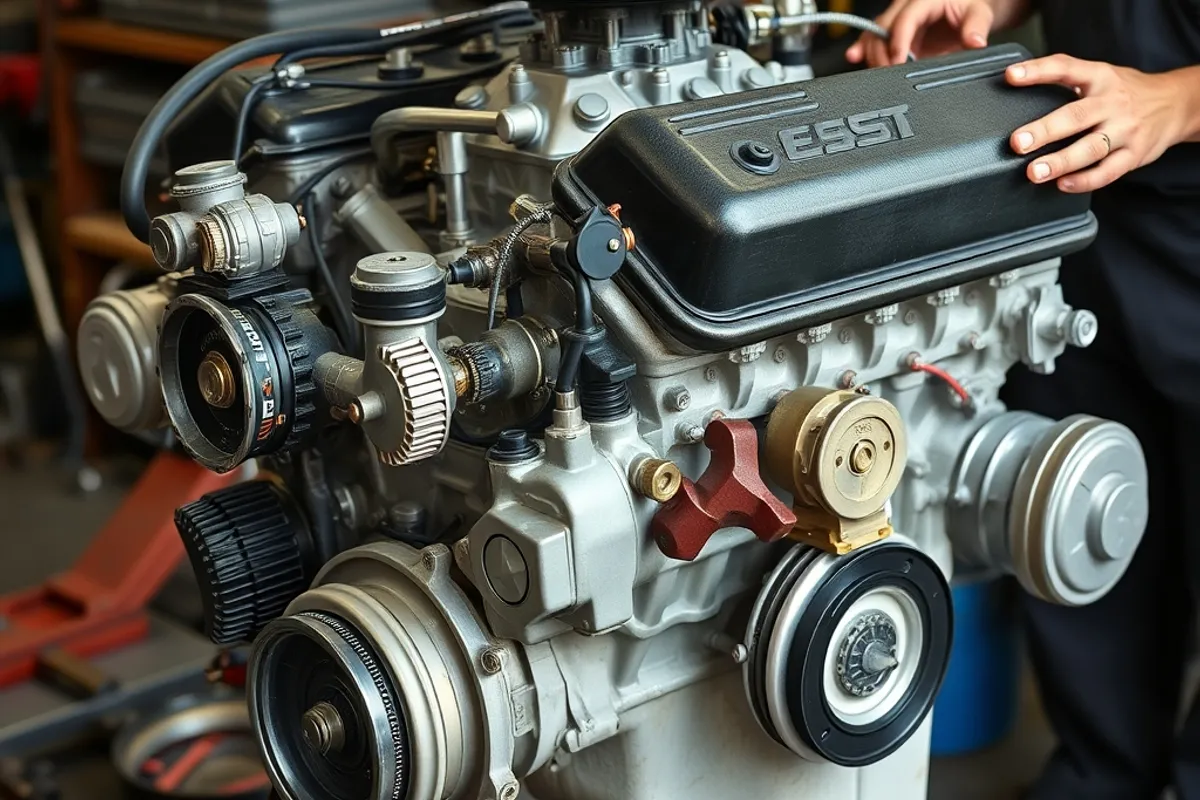
Both projects we followed found more rust than the inspection suggested, adding $4,200 and $7,800 to the bill.
Mechanical, Trim and the Small Parts Tax
Engine rebuilds for common classics ranged from $6,500 to $14,000 in our sample. Gearbox work added $2,000 to $5,000. Suspension and brake refresh was comparatively cheap at $2,500 to $4,500, and it makes the biggest difference to how the car drives.
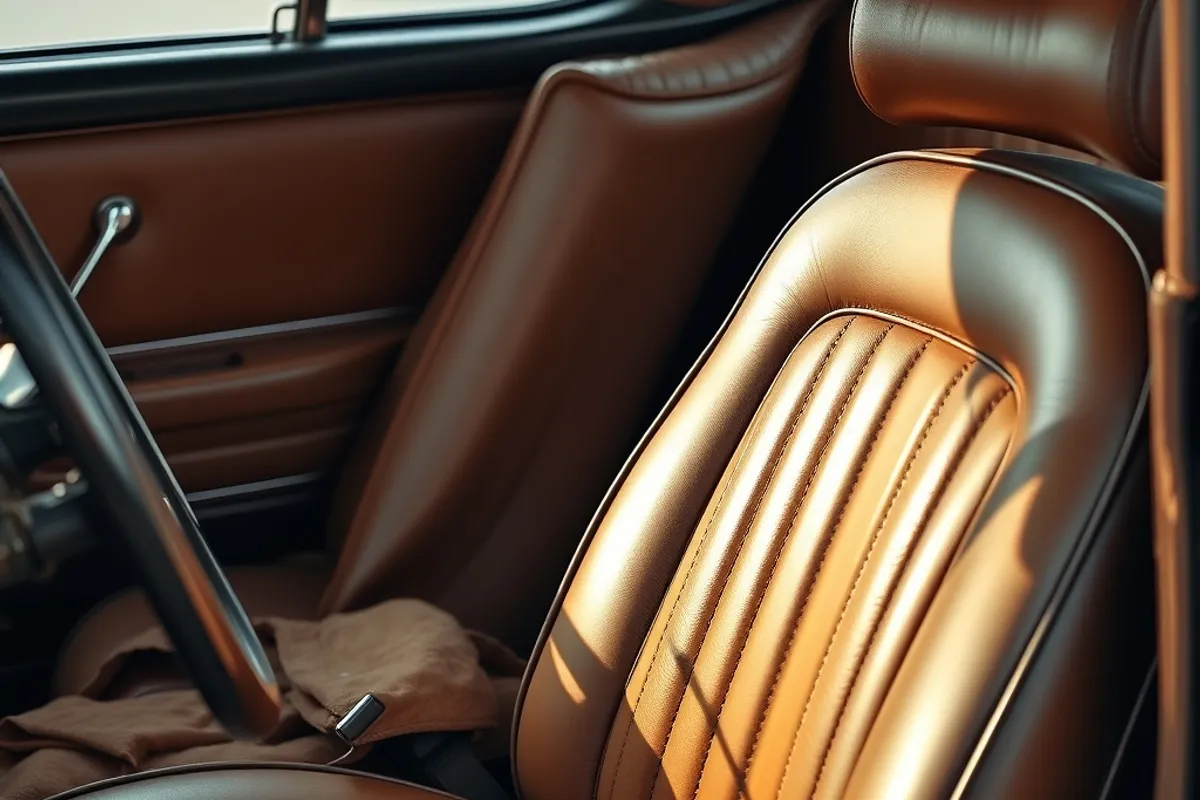
Trim is the quiet budget killer. A full leather retrim ran $4,000 to $9,000, and chrome replating was quoted by the piece. Small clips, seals and fasteners add up fast; one restorer told us they budget 10 percent of the total for parts they have not thought of yet.
How to Keep a Project on Budget
Start with a car that is structurally sound, even if it looks tired. Mechanical and cosmetic work is predictable; rust is not. Get a written scope with milestones and a payment schedule tied to progress, not to promises.
Do the disassembly and parts sourcing yourself if you have space, and leave paint and machining to specialists. Keep every receipt and photograph each stage. If the project is upside down financially, stop earlier than you think you should; a half-finished restoration is worth less than the car you started with.
- Driver-quality restoration of a common 1960s coupe quoted $38,000 to $65,000 across eight workshops.
- Bodywork and paint took 45 to 60 percent of the total budget.
- A bare-metal respray alone ranged from $12,000 to $25,000.
- Engine rebuilds cost $6,500 to $14,000; a full leather retrim $4,000 to $9,000.
- Two tracked projects found extra rust, adding $4,200 and $7,800 respectively.