Driver Assistance in 2026: What Actually Works on Real Roads
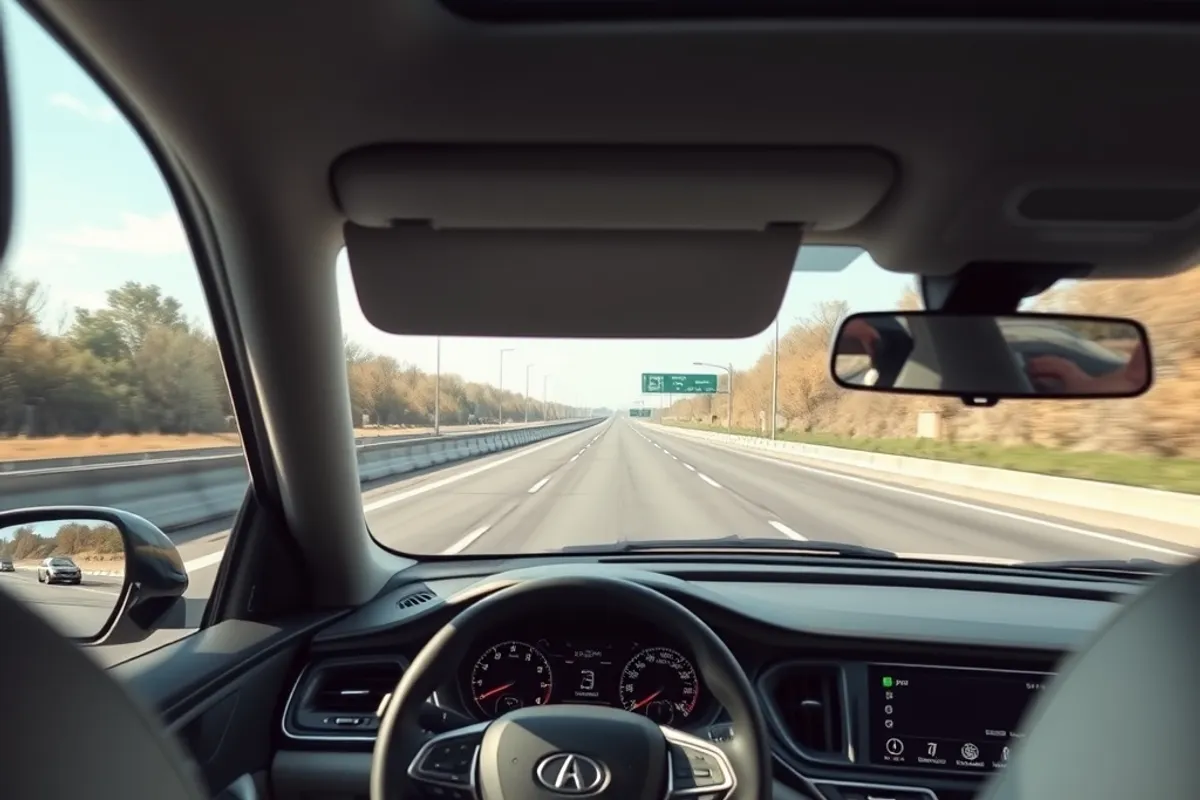
Driver assistance in 2026 is genuinely useful in some situations and genuinely annoying in others. We drove 1,200 miles across three vehicles, testing adaptive cruise, lane centring, automatic emergency braking and parking assistance in highway traffic, heavy rain and tight garages. The gap between the best and worst systems is wider than the marketing suggests.
How We Tested Driver Assistance
We ran the same routes in dry, wet and low-light conditions, scoring each system on smoothness, false alerts and how clearly it communicated what it was doing. We disengaged and re-engaged each feature repeatedly to check consistency, and we measured following distance at 60 mph.
We also tested hand-off behaviour. A good system warns early and clearly when it can no longer steer; a bad one waits until the last second or quietly gives up. That difference matters more than any feature list.
What Works Well in 2026
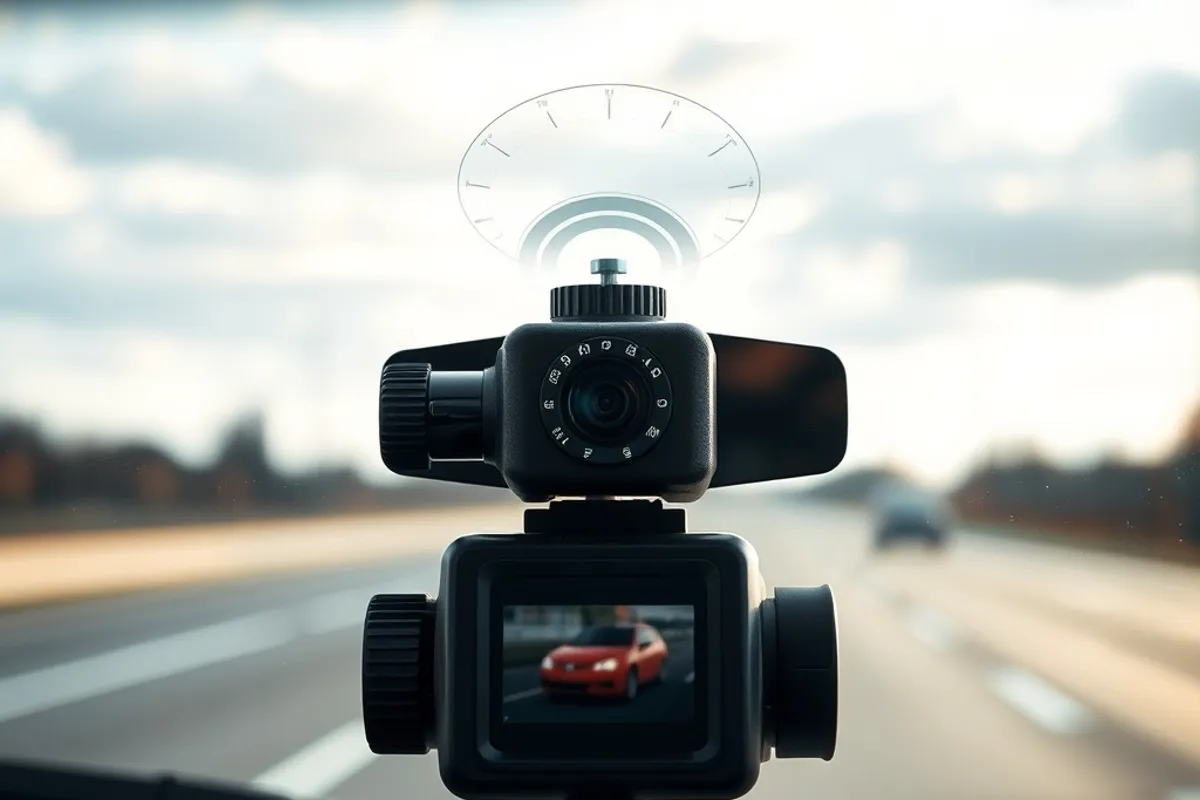
Adaptive cruise is now excellent on most mainstream cars. The best systems held a steady gap in traffic and slowed smoothly for curves. Automatic emergency braking also performed well in our low-speed tests, stopping consistently for a stationary dummy vehicle at 20 mph.
Blind-spot monitoring has become reliable and cheap enough to standardise. We had no false positives in 1,200 miles across the three test cars, and the warning timing felt right in both city and highway traffic.
None of the systems we tested was reliable enough to justify taking your hands off the wheel.
What Still Fails
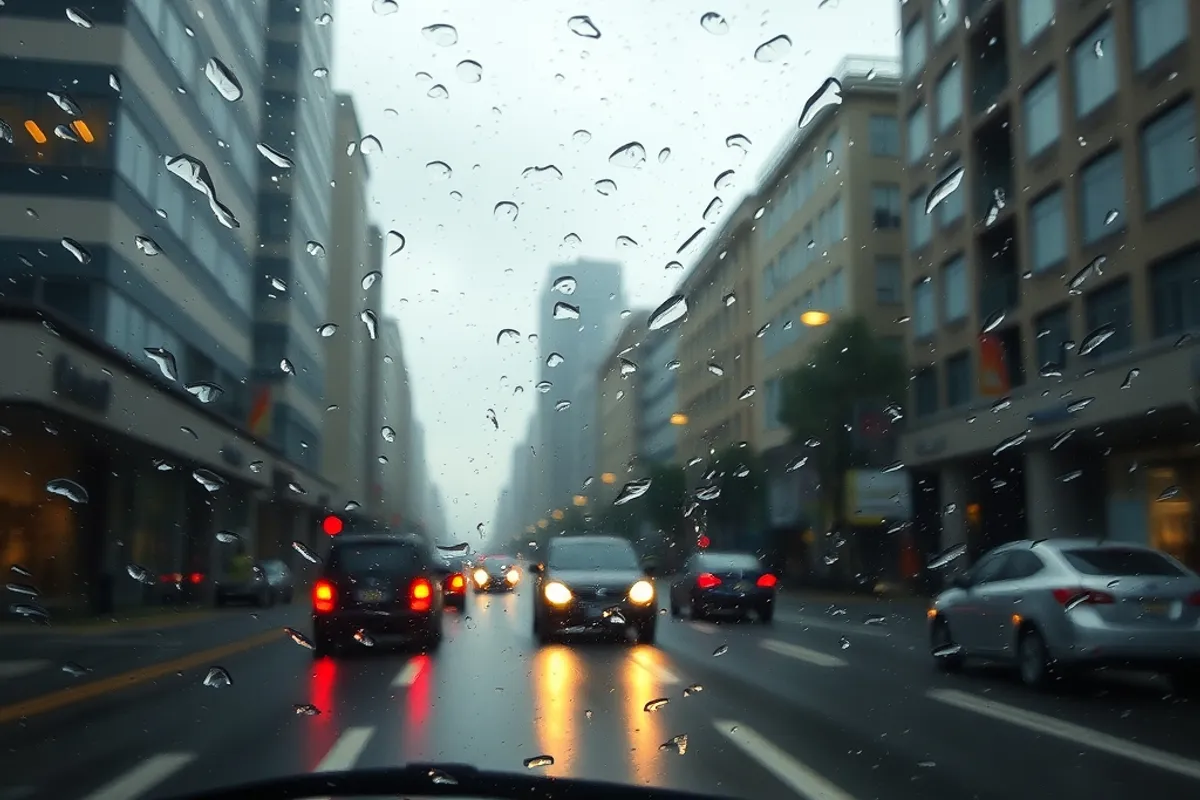
Lane centring remains the weak point. In heavy rain, two of the three systems lost the lane and disengaged without a clear warning. On faded markings and at night, performance dropped sharply. None of the systems we tested was reliable enough to justify taking your hands off the wheel.
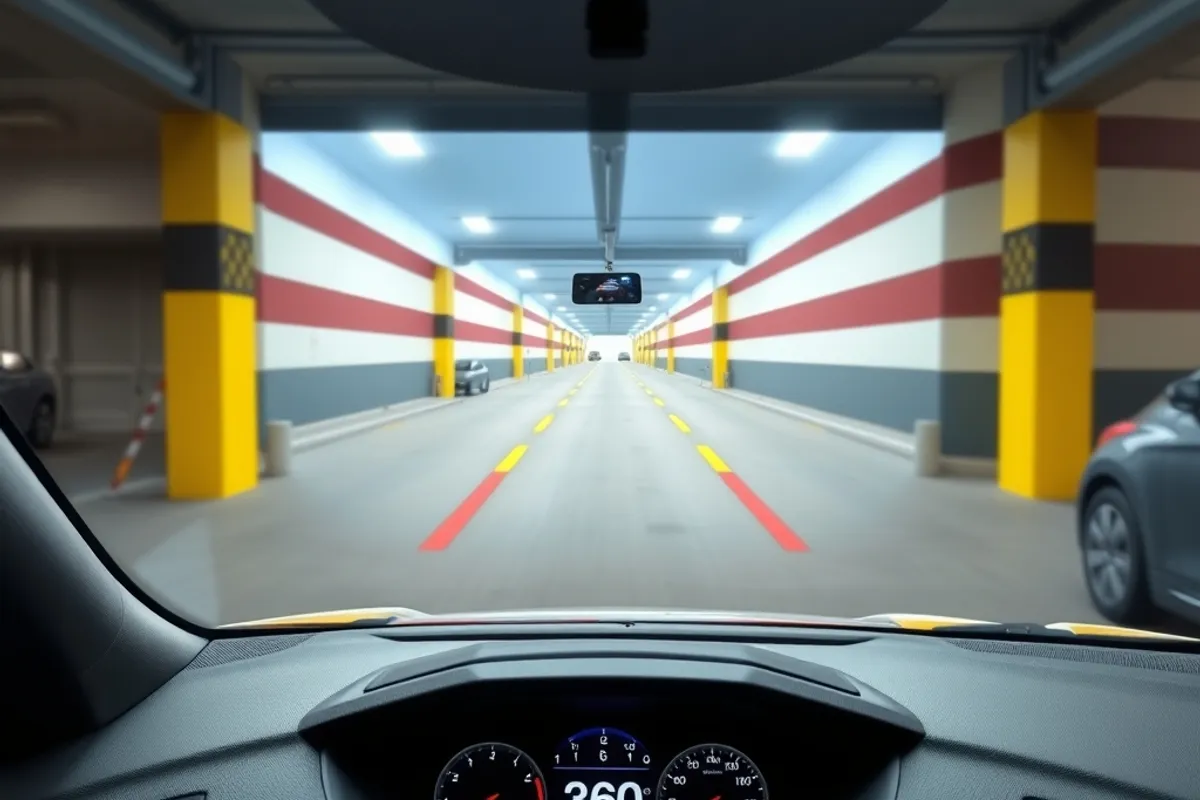
Parking assistance is better at parking than at judging tight spaces. It stopped short in garages where a human driver would have fitted, and it struggled with low kerbs. Useful, but slow.
How to Use It Safely
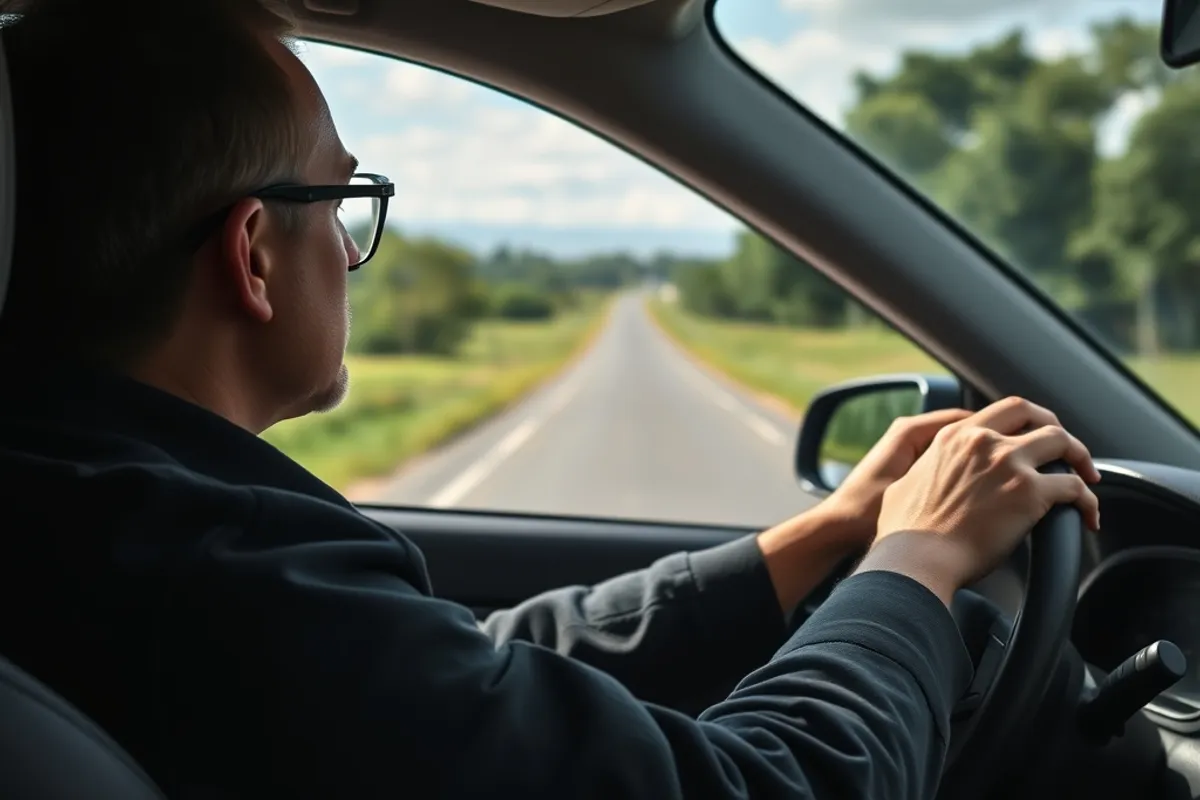
Treat every system as a second pair of eyes, not a substitute. Keep your hands on the wheel, your eyes on the road, and learn the exact conditions where your car disengages. Read the owner manual section on limitations; it is usually more honest than the brochure.
Test the features yourself in an empty car park before relying on them in traffic. Know how to turn off the ones that annoy you, and check for over-the-air updates, which have changed behaviour on some models without warning.
- We drove 1,200 miles with three 2026 vehicles across dry, wet and low-light conditions.
- Adaptive cruise and automatic emergency braking performed consistently, including a 20 mph stationary-car test.
- Blind-spot monitoring produced no false positives across 1,200 miles.
- Two of three lane-centring systems disengaged in heavy rain without a clear warning.
- Parking assistance stopped short of spaces a human driver could use, especially near low kerbs.