Motorcycle Market 2026: Smaller Bikes, Smarter Tech
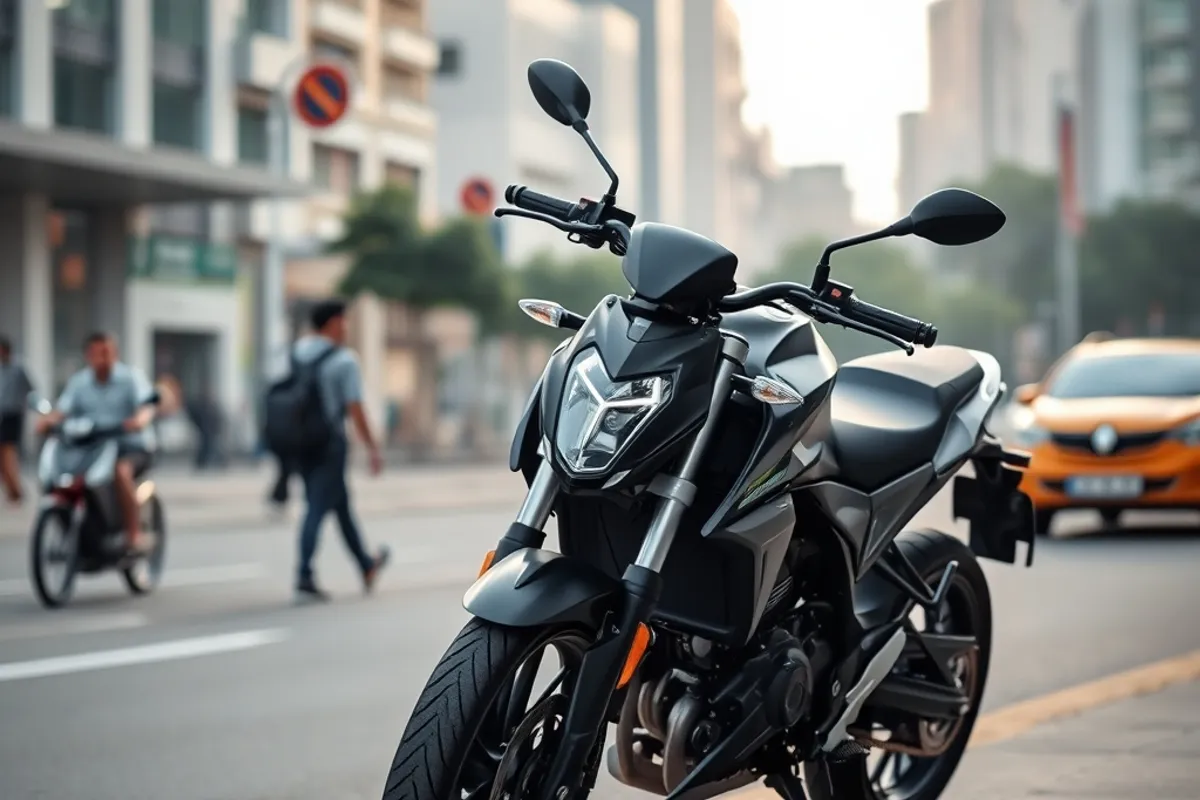
The motorcycle market in 2026 is not chasing top speed. Dealers tell us the fastest-moving bikes are 300 to 500cc commuters with LED lights, a digital dash and enough electronics to make a new rider feel secure. We visited six dealers, spoke to fleet buyers and compared running costs to see what is actually changing.
Smaller Bikes Are Winning
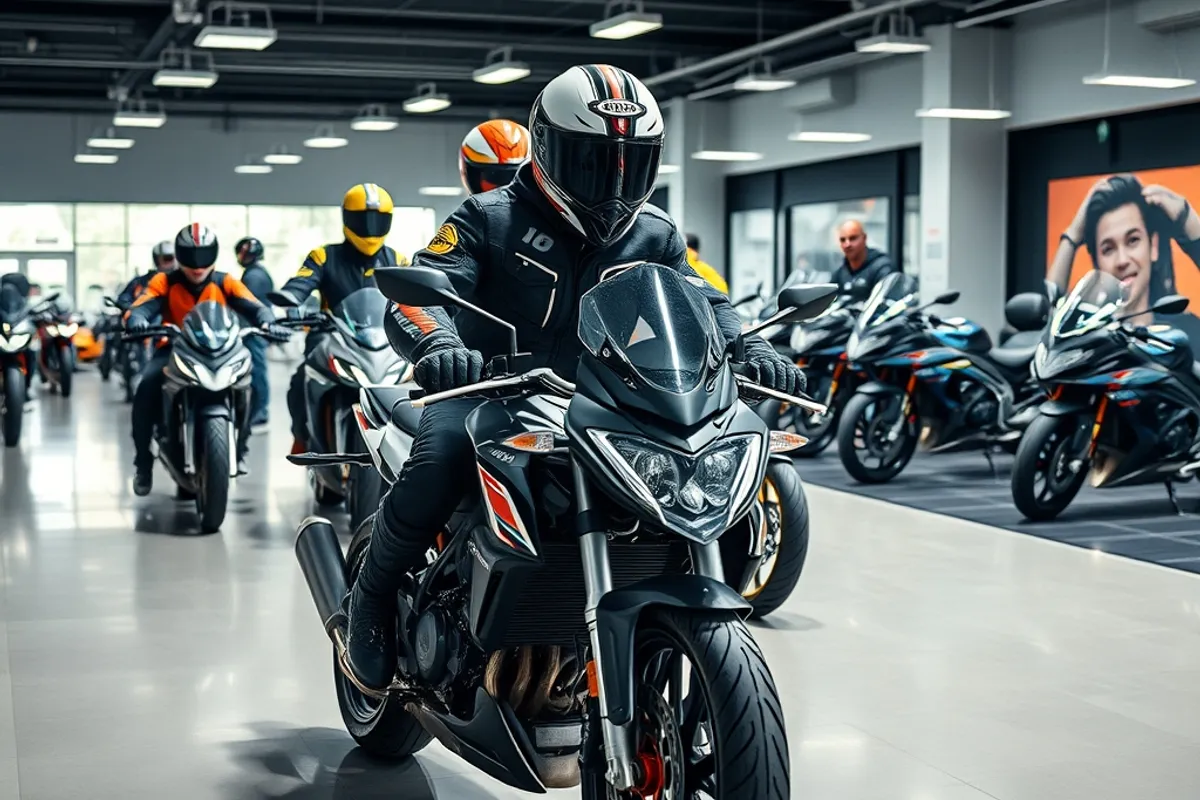
In the first four months of 2026, small and mid-capacity bikes accounted for a larger share of showroom sales than at any point in the last decade, according to dealer estimates in our sample. Fuel prices, insurance and city parking all favour lighter machines.
The 400cc class is the sweet spot. It is fast enough for a short highway stint, light enough to move by hand, and cheap enough to insure for a new rider. Dealers reported waiting lists on two popular 400 models while larger sport bikes sat unsold.
Technology Trickles Down
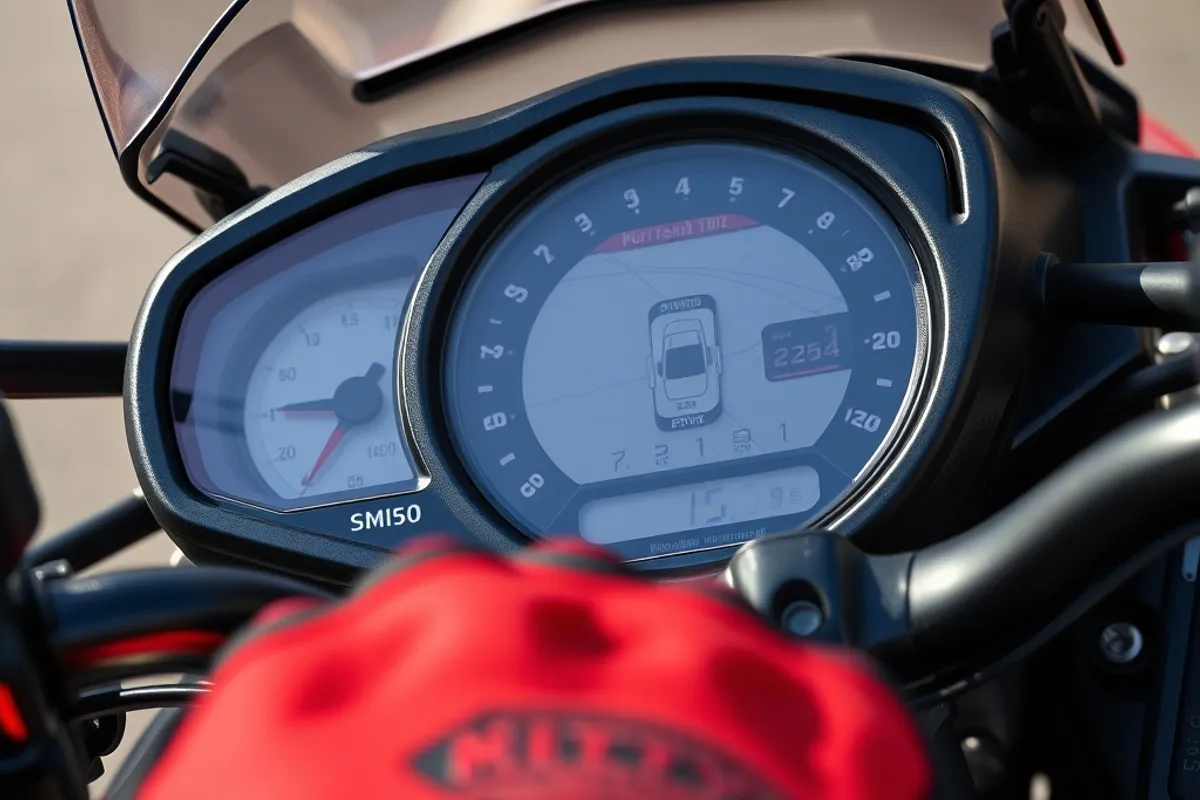
Features that were premium two years ago are now standard on budget commuters: LED lighting, a colour LCD dash, smartphone connectivity and, on some models, traction control. Cornering ABS is still rare below 500cc, but it is appearing on more models each year.
The useful tech is not the flashiest. A clear dash you can read in sunlight, a USB-C port that actually charges, and a fuel gauge you trust matter more day to day than a lap timer. We found several budget dashes that washed out badly in direct sun.
Fuel was the smallest part of the running cost. Tyres and insurance decided most of the gap between bike classes.
What It Costs to Run
We built a 12,000-mile annual cost estimate for three bike classes. A 125cc commuter needed about $620 a year in fuel, insurance, tyres and servicing. A 400cc bike came to roughly $980, and a 650cc adventure bike to about $1,450. Fuel was the smallest part; tyres and insurance decided most of the gap.
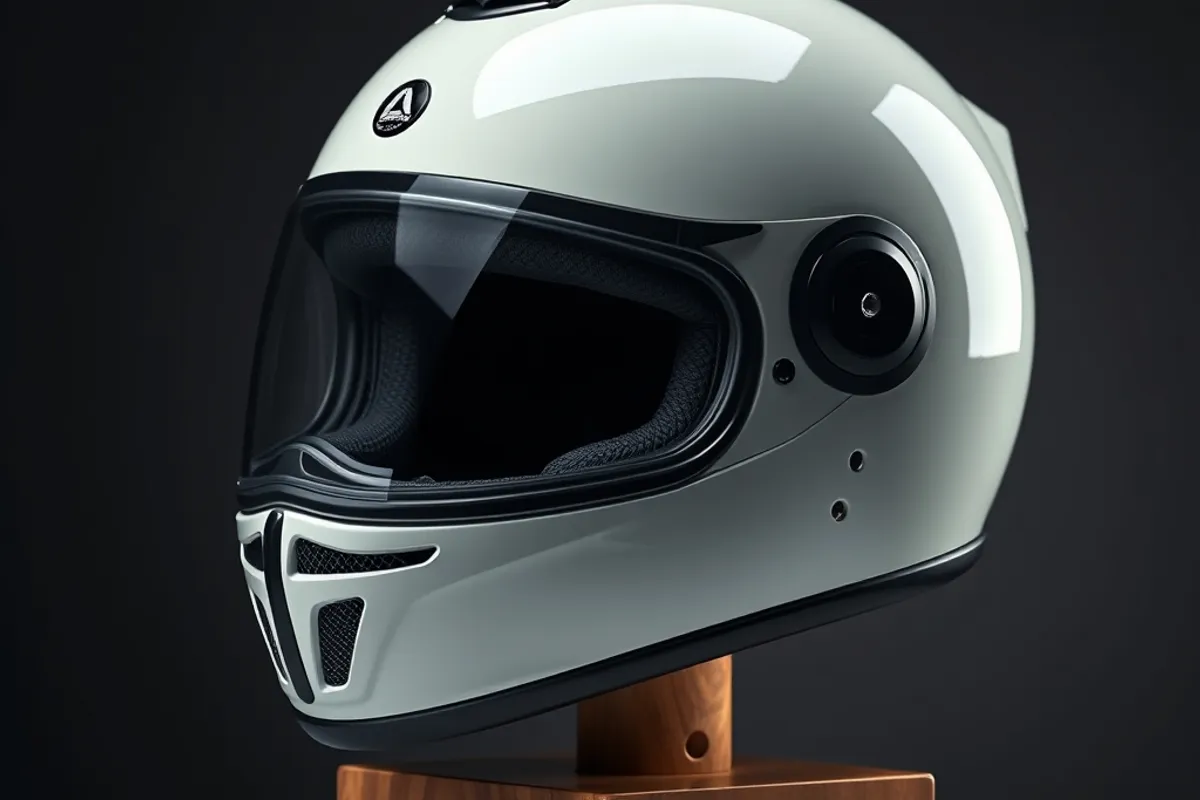
Gear is the hidden cost. A decent helmet, jacket, gloves and boots add $600 to $1,200 before you turn a wheel. Budget for it in the purchase, not after.
What to Buy and What to Skip
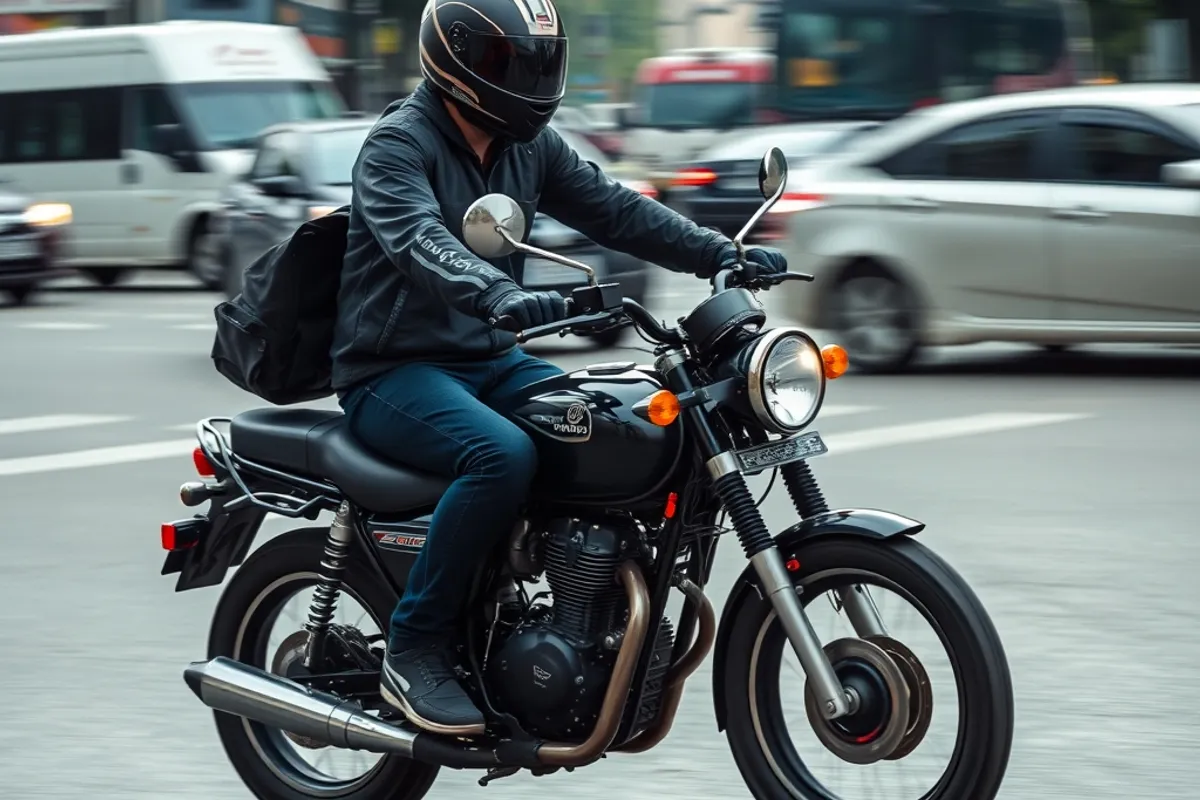
For city commuting, a 300 to 400cc naked bike with ABS is the sensible buy. It is light, upright and cheap to repair. If you regularly carry a passenger or ride highways, a 500 to 650cc adventure or touring bike is worth the extra weight.
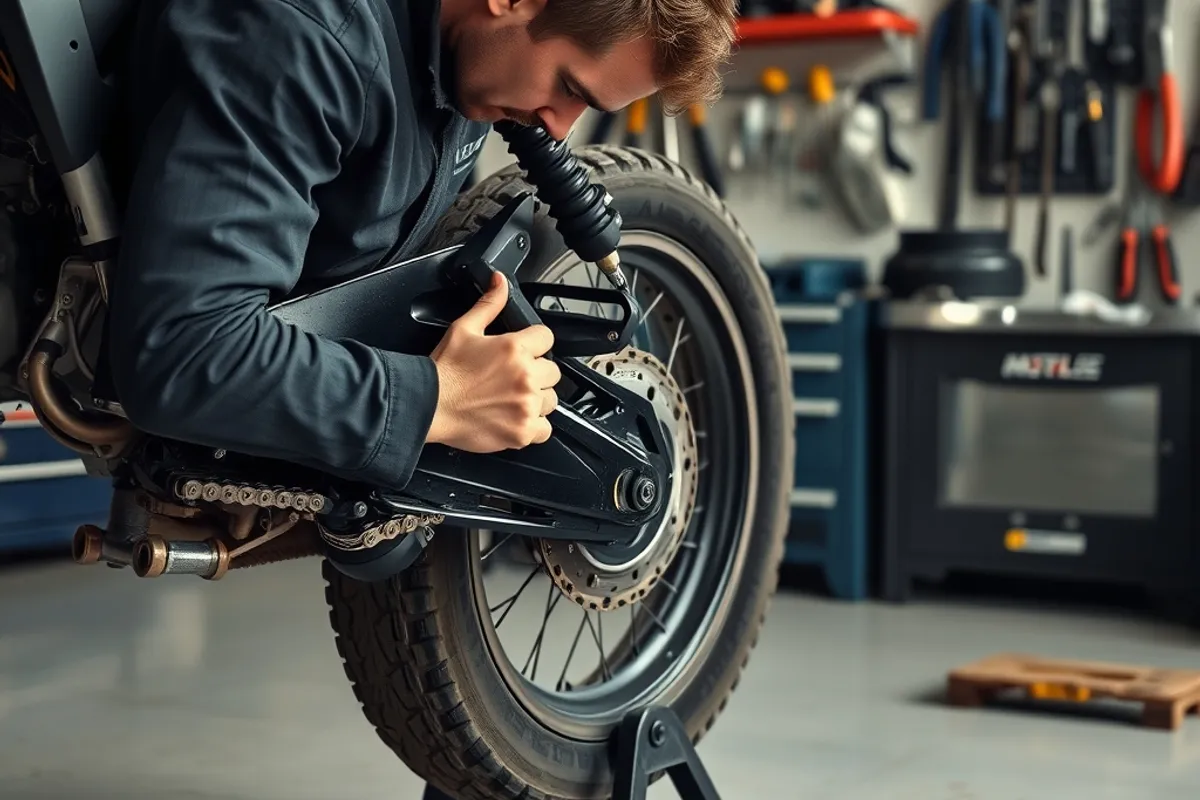
Skip the cheapest Chinese-brand tyres and the no-name chain kits; both showed up repeatedly in our workshop interviews as false economies. Buy from a dealer with a real service department, and sit on the bike for ten minutes before you sign. Comfort at a standstill is a good predictor of comfort after an hour.
- Small and mid-capacity bikes took a larger share of showroom sales in early 2026 than in the last decade.
- A 125cc commuter cost about $620 a year to run over 12,000 miles in our estimate.
- A 400cc bike cost roughly $980 a year; a 650cc adventure bike about $1,450.
- Gear adds $600 to $1,200 to the first-year budget before any riding.
- The 400cc class was the fastest-moving segment in our six-dealer sample.